


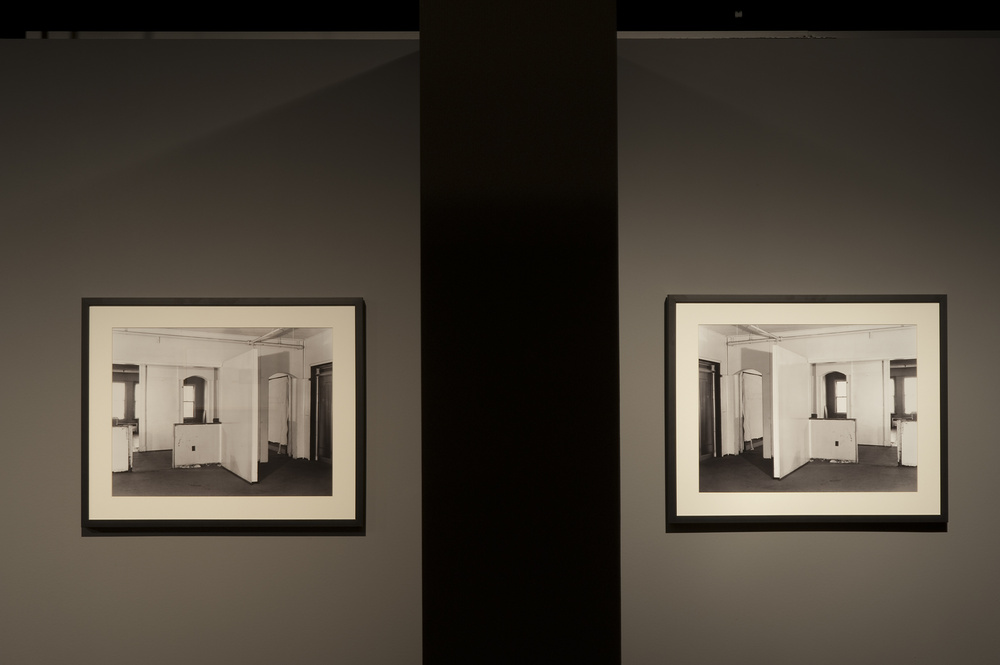
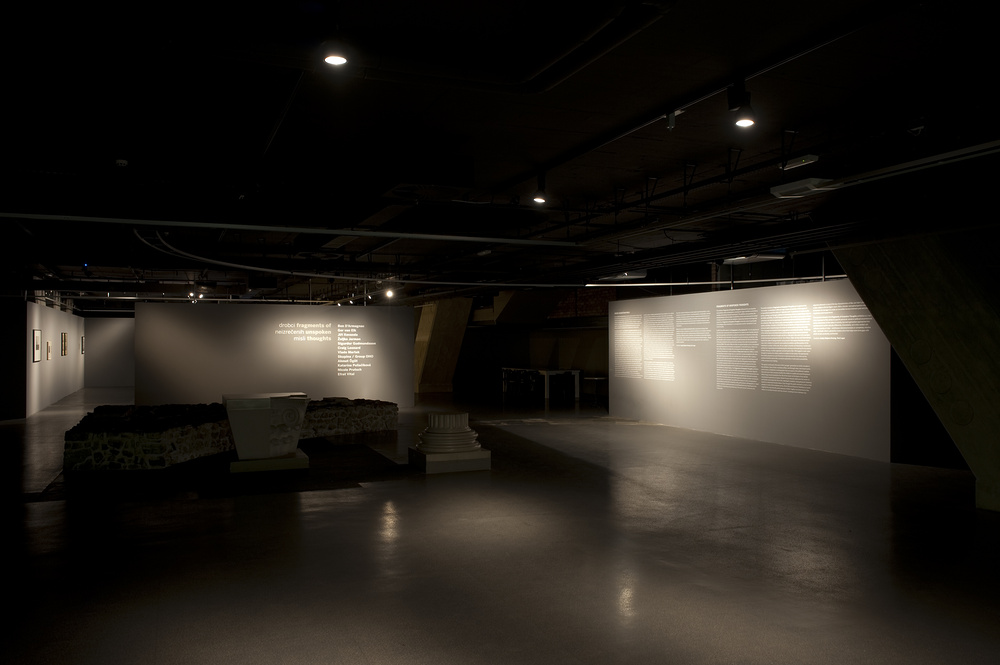
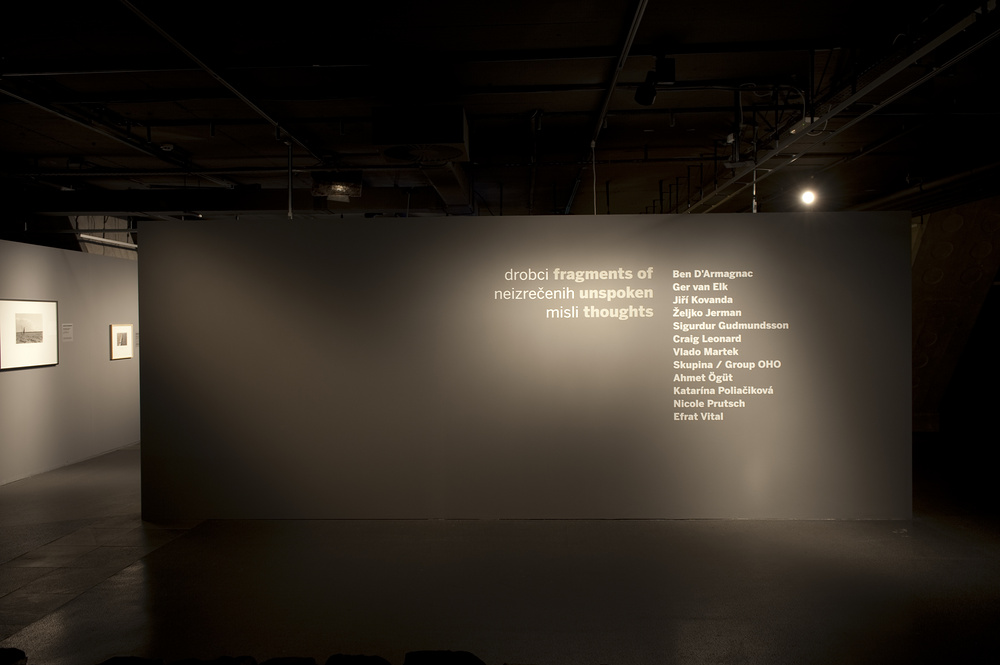

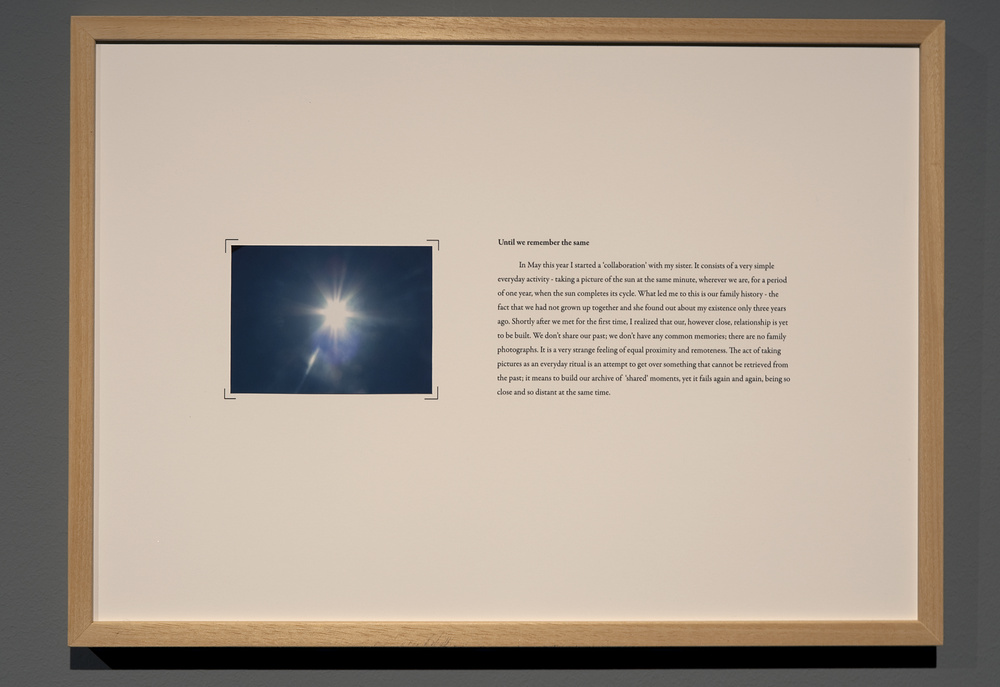
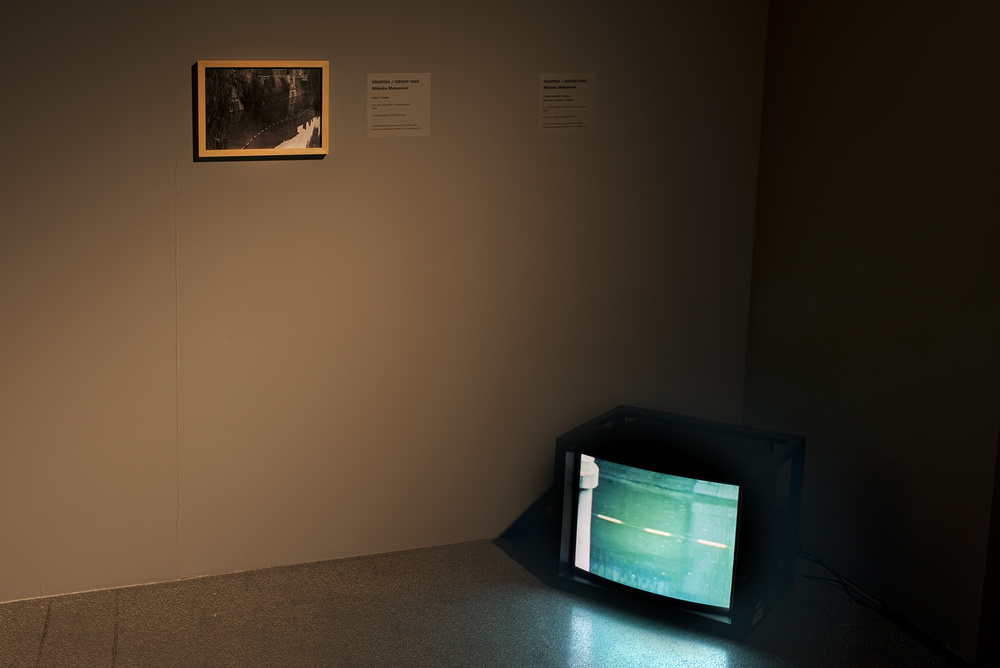

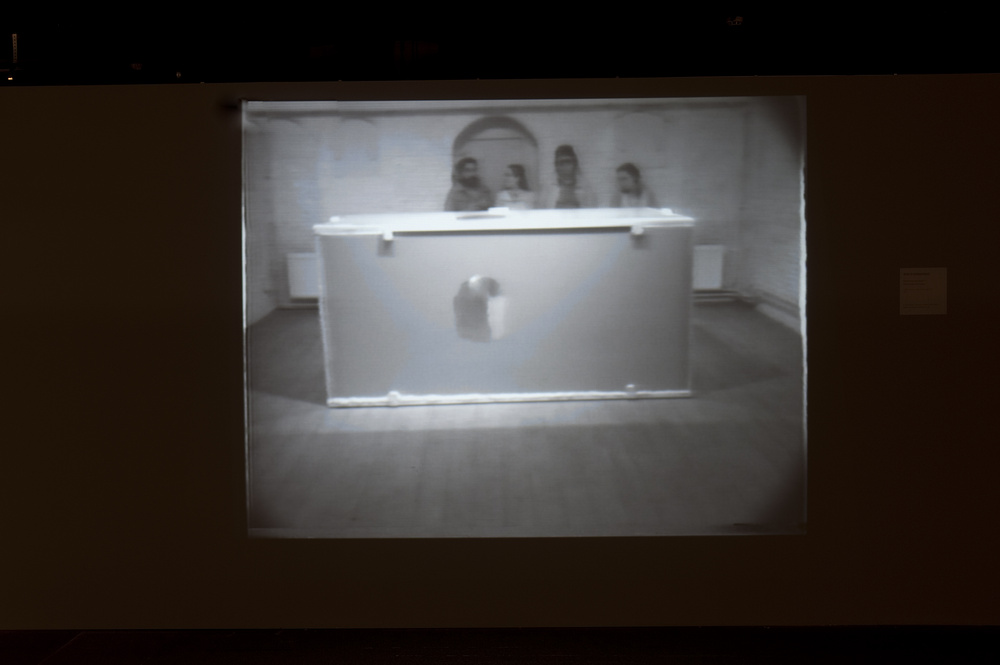

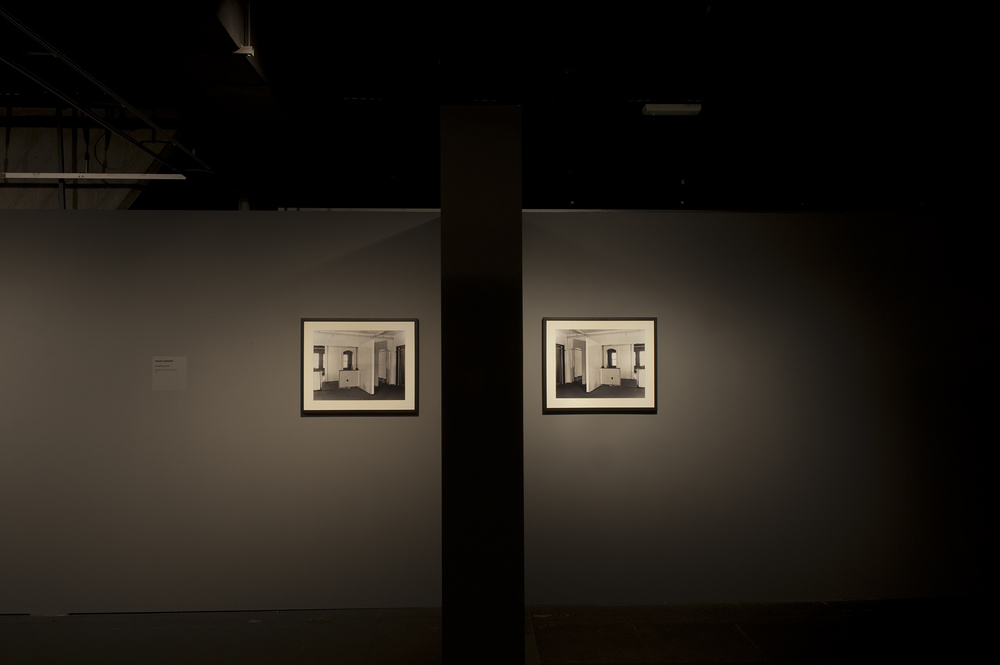



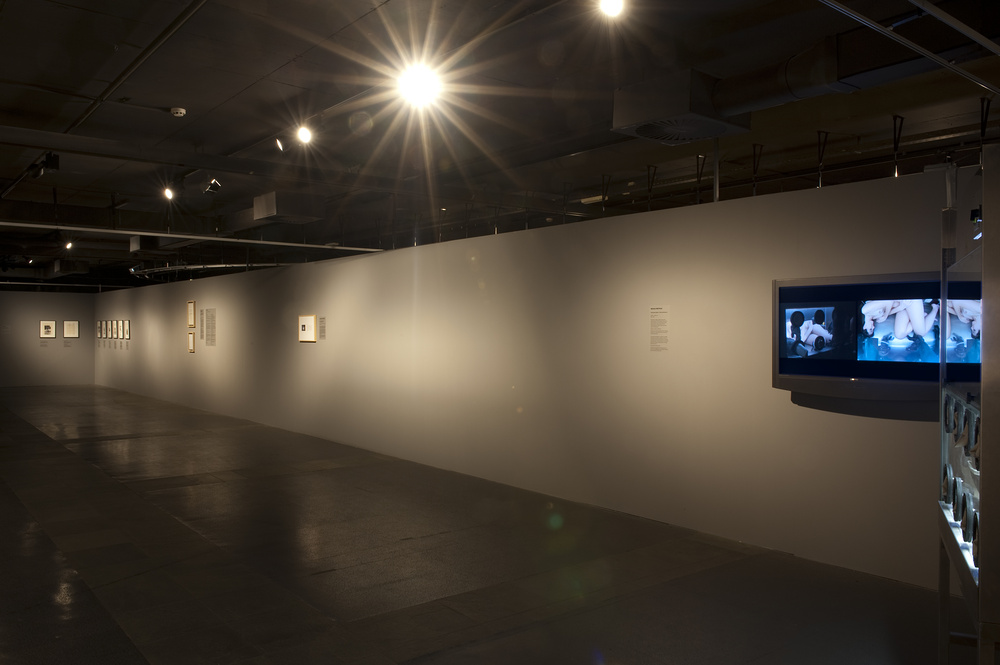

The exhibition Fragments of Unspoken Thoughts addresses the use of poetics and aesthetics within conceptualism, reviewing the origins and their current forms creating a link between the past and present. The exhibition also questions the dematerialisation of the art object, its definition of form and media and its context in today’s world and how this can establish a relationship between the things that surround us. Fragments of Unspoken Thoughts invites the viewer to participate in the dialogue about romanticism in conceptualism and the ‘romanticist’ in our current society. The exhibition is linked to the exhibition by conceptual artist Bas Jan Ader in Škuc gallery which is on display at the same time.
In 1967 Sol LeWitt stated in his Paragraphs on Conceptual Art: “It is the objective of the artist who is concerned with Conceptual art to make his work mentally interesting to the spectator, and therefore usually he would want it to become emotionally dry”. But this is not a necessity. Conceptual art can be humorous, emotional, witty and beautiful, which reveals an interesting parallel between the German Romantics of the early nineteenth century and artists working in the realm of conceptualism since the 1960s. The works of Bas Jan Ader are a good example, as he is considered one of the forerunners of romantic conceptualism. In his brief oeuvre, which is on view at Škuc Gallery, he enables the Conceptual with what appears to be its antithesis: Romanticism. In the installation Please don’t leave me (1969), in which he wrote these words in a large size on a wall that is simply spotlighted with a few light bulbs hanging close to the wall, with the wires left exposed. Ader creates a dramatic scene and one wonders what might have happened, and perhaps we will never uncover what the pregnant moment was since the gestural result lingers in a constant suspense. And it is this very point of constant suspense that also directly addresses the positions of the artists who were invited to participate in the exhibition at Jakopič Gallery. The Fragments of Unspoken Thoughts exhibition presents, among others, work by the 1970s conceptualists Jiří Kovanda, Sigurdur Gudmundsson and Ger van Elk. Kovanda’s minimalist actions and interventions are often subtle compared to the more traumatic and politically laden performances of the time. His simple actions and artistic gestures embody a certain romanticism and perhaps in the most direct way address the issues of ‘warm conceptualism’. Gudmundsson and Van Elk’s frequently witty performances, photographs or ‘visual poems’ constitute a particular poetic and philosophical vision depicting human existence in a humorous and pointed way. The work is lyrical, humorous and melancholic.
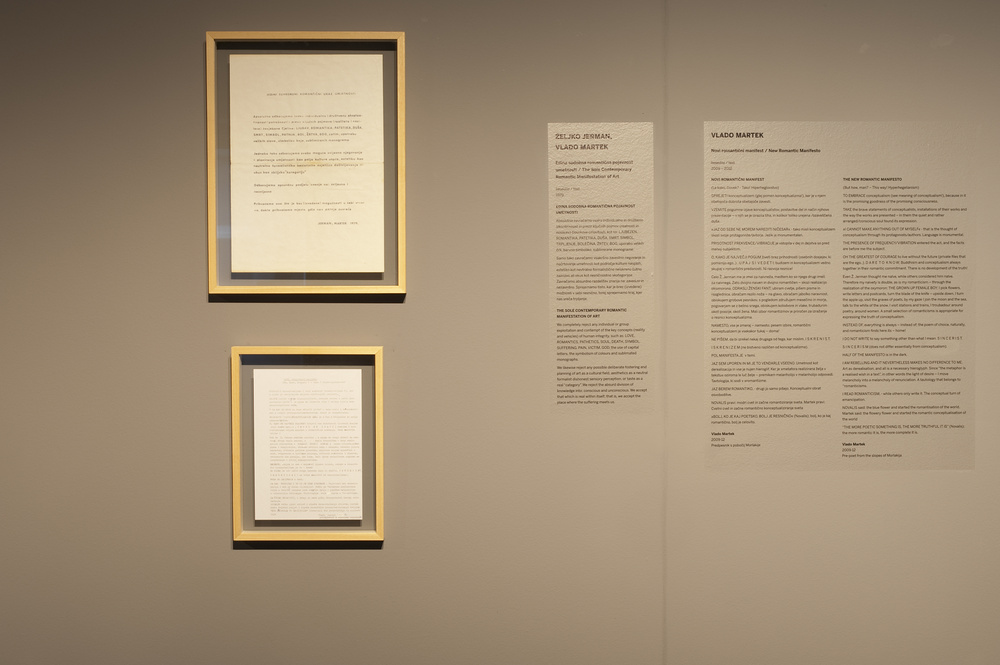
The artists included in Fragments of Unspoken Thoughts are in search of the ‘miraculous’, as manifest in different ways in their art practice. In this regard, it is impossible to avoid the notion of “collective work” in particular in relation to the artists working in certain geo-political circumstances of the so-called Former East in the 1960s and 1970s. The OHO Group and Group of Six Artists are examples of these collectives, but with the awareness of maintaining individual artistic positions within the collective. After very intense years working together in various formations and artistic activities, members of the OHO Group decided to no longer pursue success in the art world, instead trying to live closer to nature and to explore spirituality. Their language went beyond cultural, geographical and political borders. The Group of Six Artists had a more direct socio-political agenda based more on individual statements than collective thought and this is reflected in the work of its members in both formal and substantive terms. Two of them, Željko Jerman and Vlado Martek, explore the state of ‘being romantic’ not so much in the sense of emotional awareness, but in relation to a specific socio-political condition and the position of the individual in society. In this case, the so-called ‘romantic act’ becomes a ‘social and political act’ expressing and emphasising the individual and breaking the boundaries of their intimacy. A similar approach can be found in Ben d’ Armaganc’s work, even though he explores his artistic position in relation to the viewer. He experienced the artistic practice as a sort of torture or imprisonment for the artist and his position therefore seems like a constant exploration of alternative possibilities of the process of art-making.
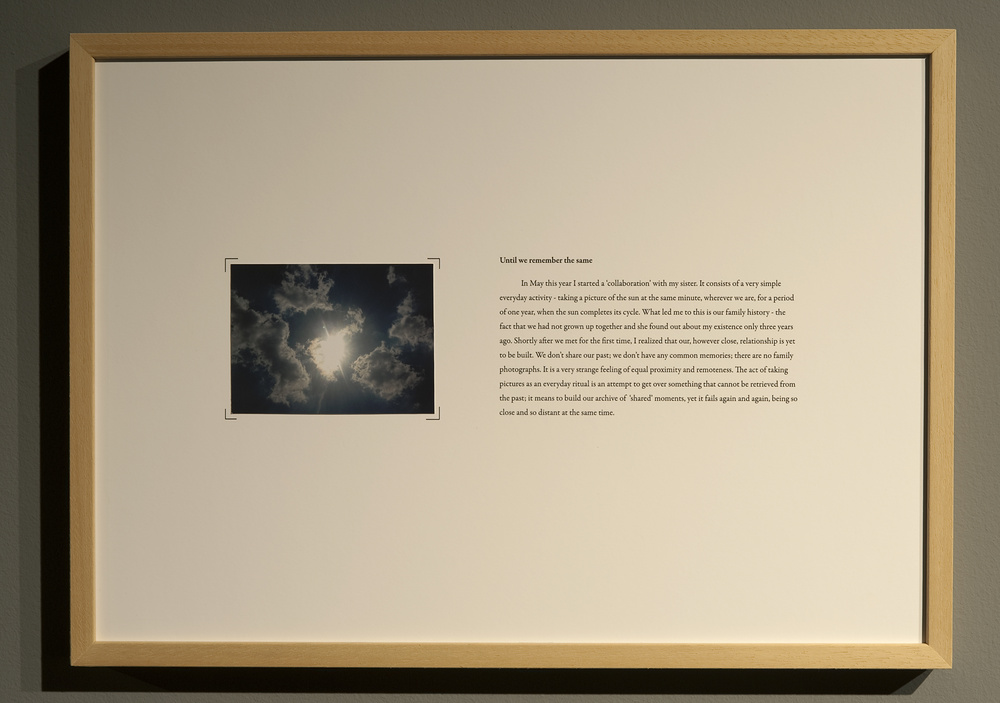
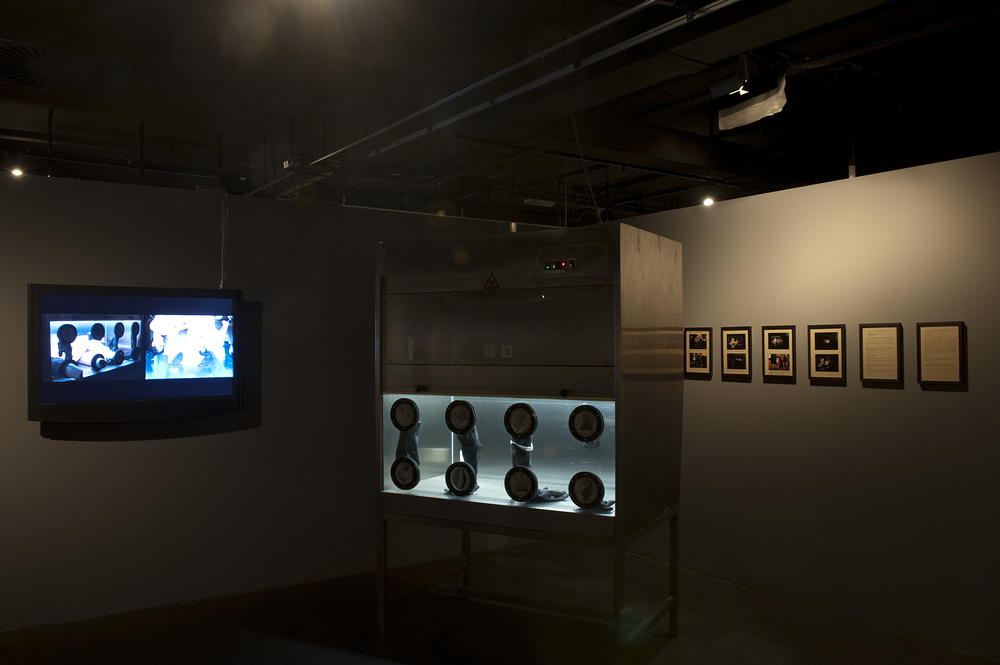
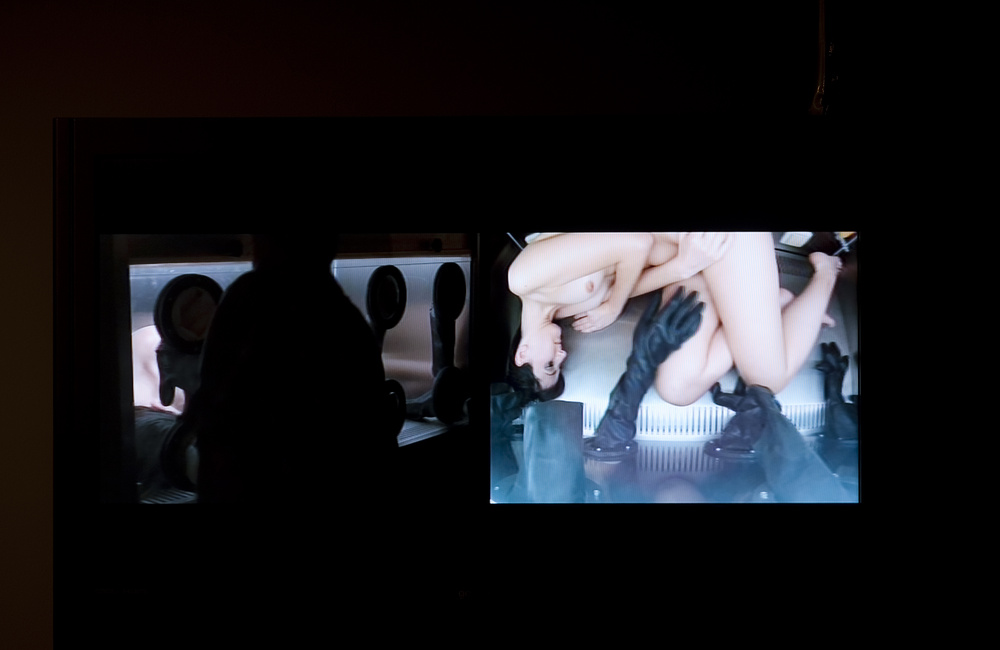
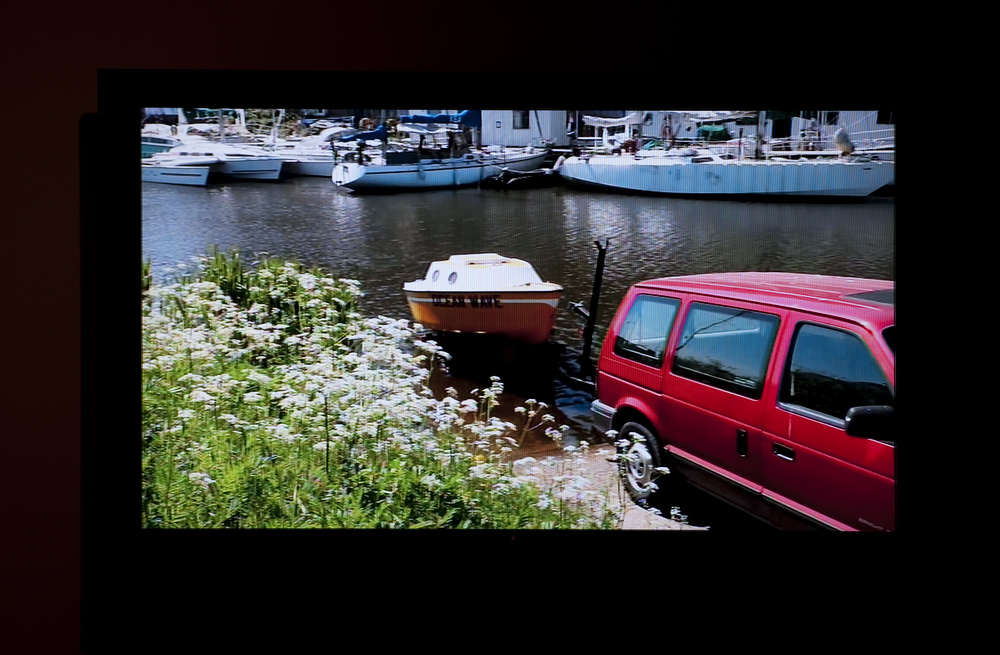
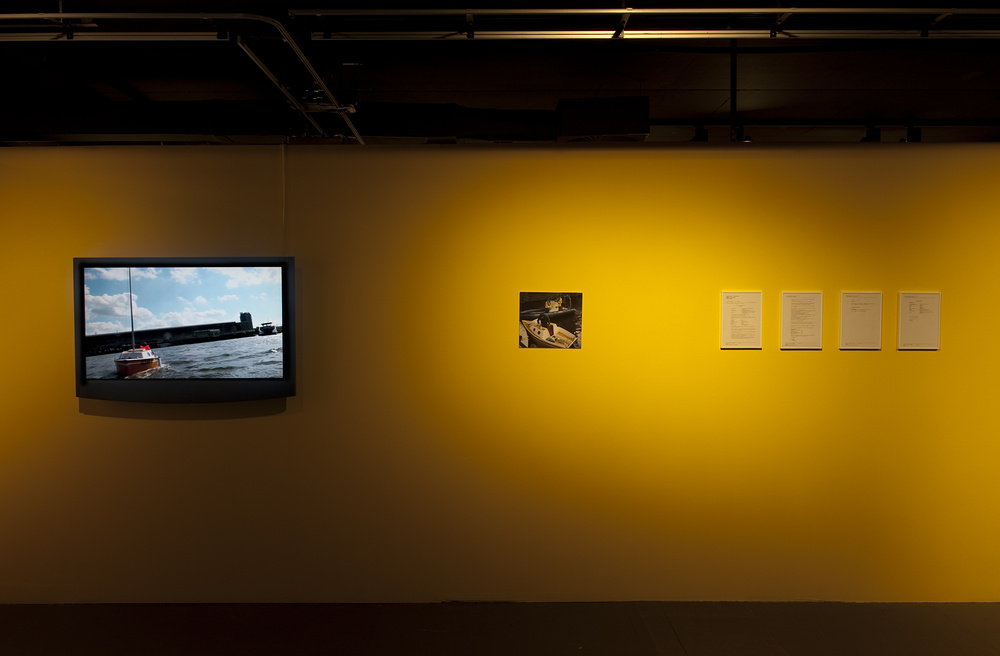
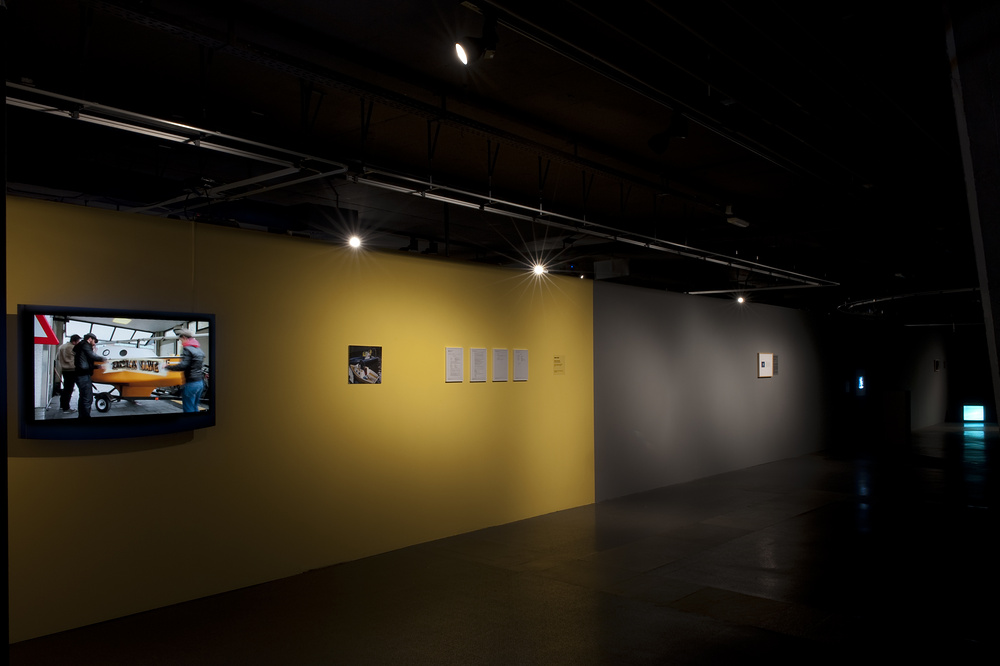
The search continued in the work of the ‘younger’ generation of artists included in the exhibition. Each of their manifests differs, and through video, text-based works, performance, installation or photographs they are aware of the different realities that exist and in their process simplify this reality in a subtle and essential gesture. While Craig Leonard questions the role of the viewer on the basis of his mental and physical experience of space, Nicole Prutsch directly addresses the viewer to participate and reveals the fact of the individual’s isolation, losing physical closeness based on a technical transformation. Even though the poetic element is more or less present in most of the exhibited works, Efrat Vital and Katarína Poliačiková’s works might be the most directly poetic because of their fragility and placement of the viewer in a constant tension with the artwork. Creating tension between two opposite elements is one of the key characteristics of Bas Jan Ader’s practice, and is also visible in Ahmet Ögüt’s work. With a slender conceptual gesture and a touch of humour, he manages to create an incredible tension between past and present, experience and inexperience.
The common thread of the Fragments of Unspoken Thoughts exhibition is a ‘sensitive’ approach of the artists to specific personal, social or political circumstances and an awareness of their place in society, but each generation approached this position and its belief radically differently. Unavoidably, art in this context can address a variety of roles – continuous rational processes or completely intuitive acts – but both reflect a powerful creative drive that helps overcome gaps with which we are constantly confronted.
Jakopič Gallery, Ljubljana
7/11/2012 -13/1/2013
Ben D'Armagnac, Ger van Elk, Jiří Kovanda, Željko Jerman, Sigurdur Gudmundsson, Craig Leonard, Vlado Martek, Group OHO, Ahmet Ögüt, Katarína Poliačiková, Nicole Prutsch, Efrat Vital
Louky Keijsers Koning, Tevž Logar
November 7, 2012