



Every individual inevitably leaves traces in space and time. Sometimes the traces are innocent, fading and disappearing with time, but often they are caught in the net of history and recorded for eternity. As a rule, since the Enlightenment, the winners have held the net. The winner is subject to ideology and politics, while constructing the ‘official’ historical narrative, which becomes increasingly scattered with blind spots, making its integrity questionable. Moreover, with new discoveries and initiatives, possibilities for new historical narratives appear which question the hegemony of ‘official history’. Nevertheless, the latter has remained firmly in control. Over twenty years since the fall of the Berlin Wall, the discourse on the ambivalence of ‘official’ history has begun to intensify, particularly in terms of contemplating how to narrate the history of a cultural and geo-political area and reconstruct established versions of history; in other words, revising and juxtaposing events taking place to the East and West of the Berlin Wall. However, the premise is always the same: the East is catching up on the West and desperately seeks to present itself as an equal partner and counterpart, but remains the ‘former’ East. We encounter such examples repeatedly, despite the fact that we live in a time of sweeping globalization and the elimination of borders. While borders may be daily erased from maps, this remains limited to paper, as ‘Berlin walls’ still reign in the minds of individuals.
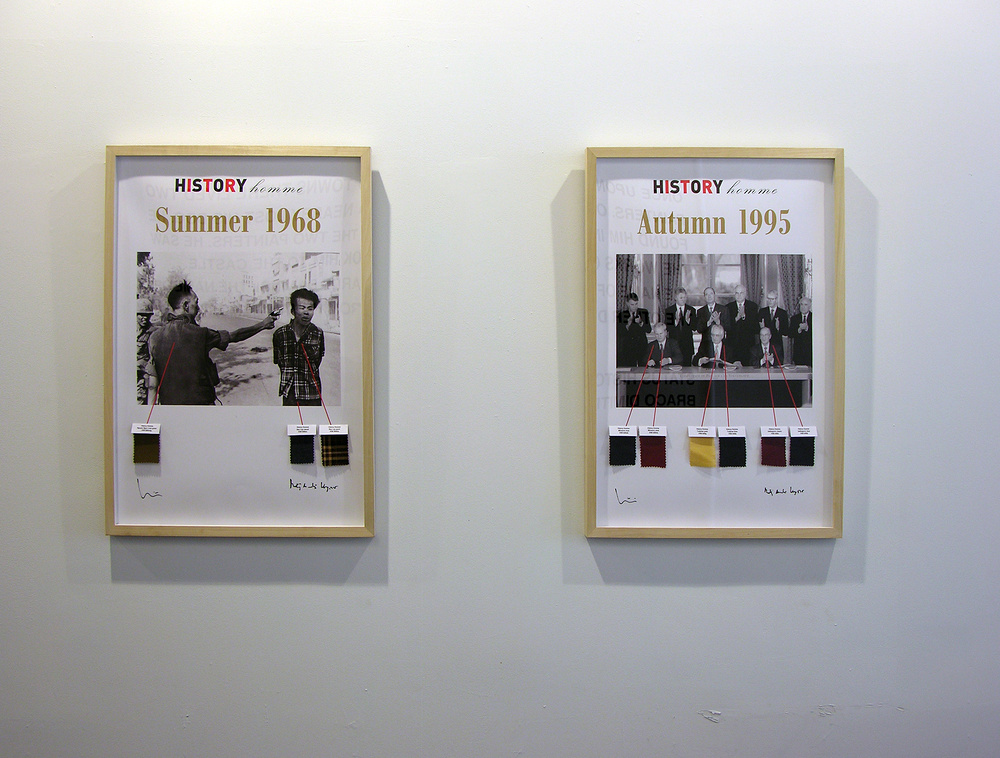
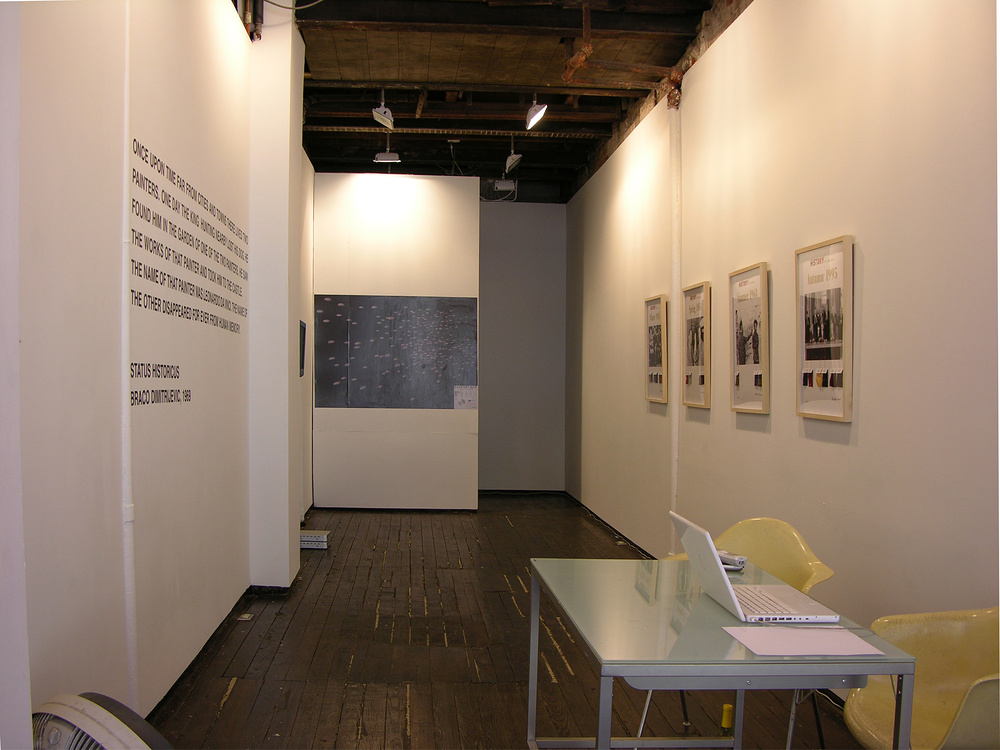
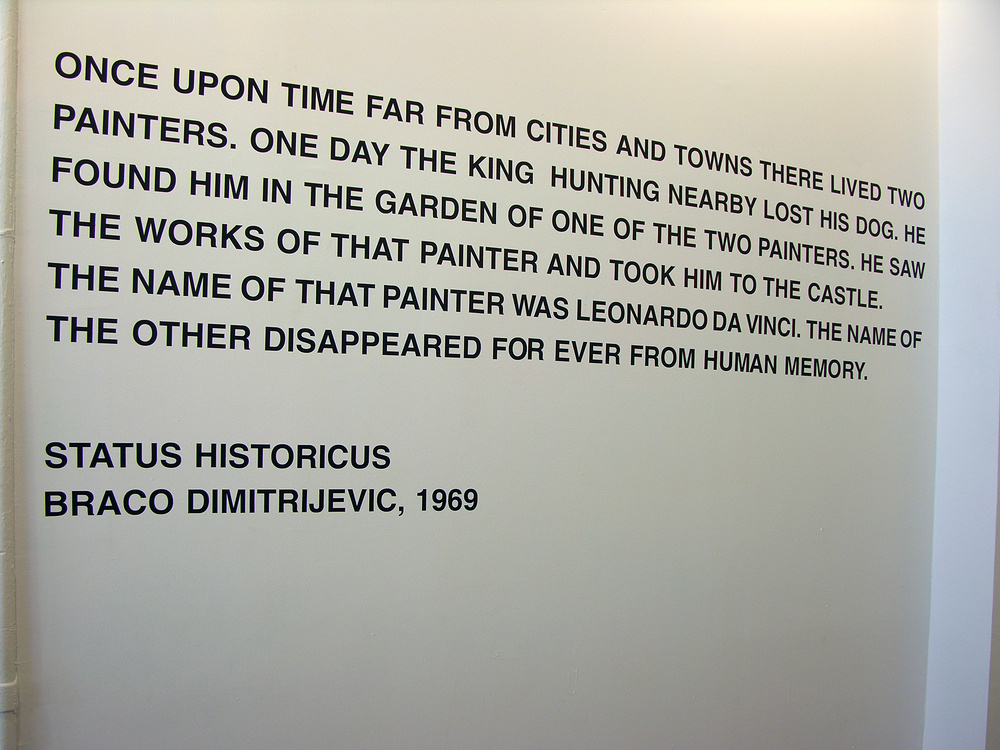
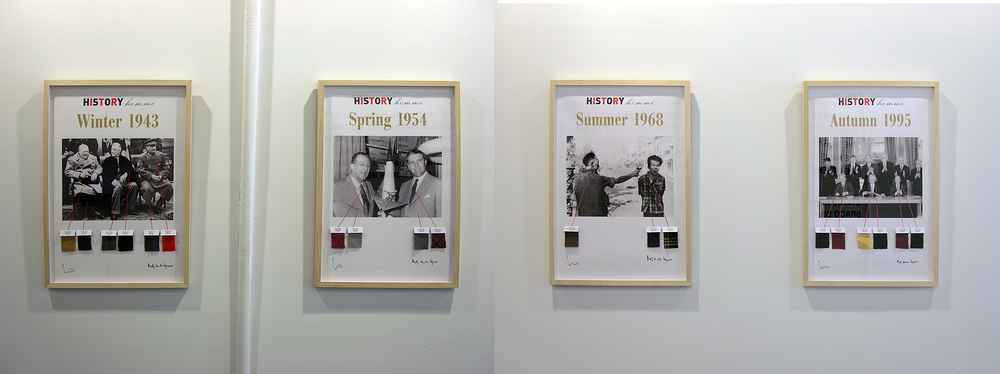
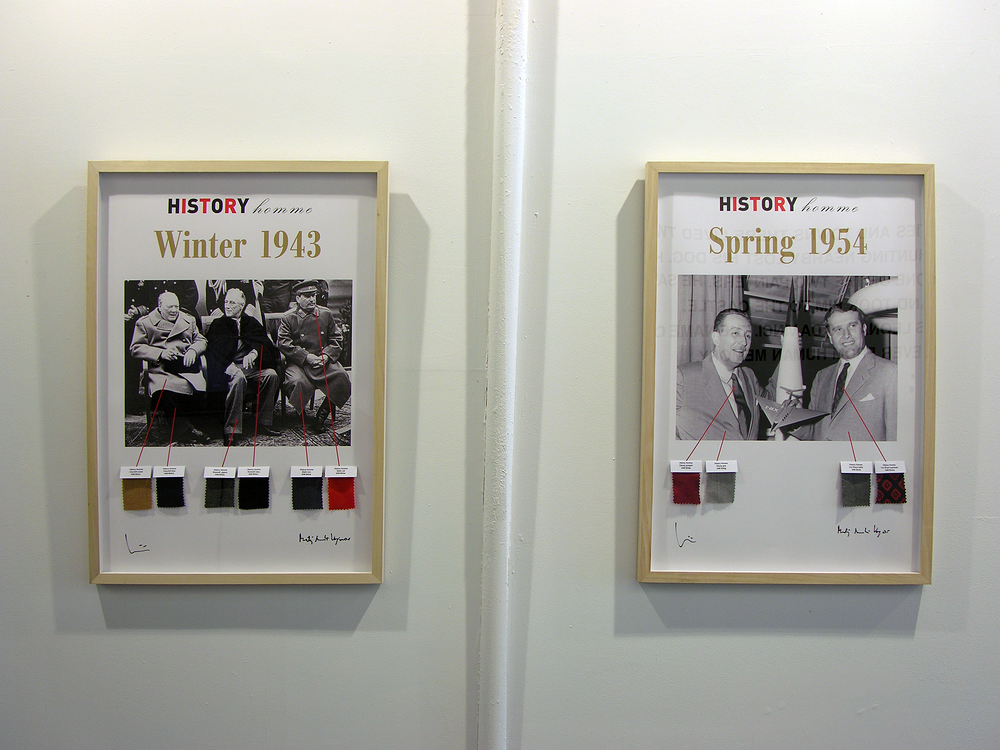
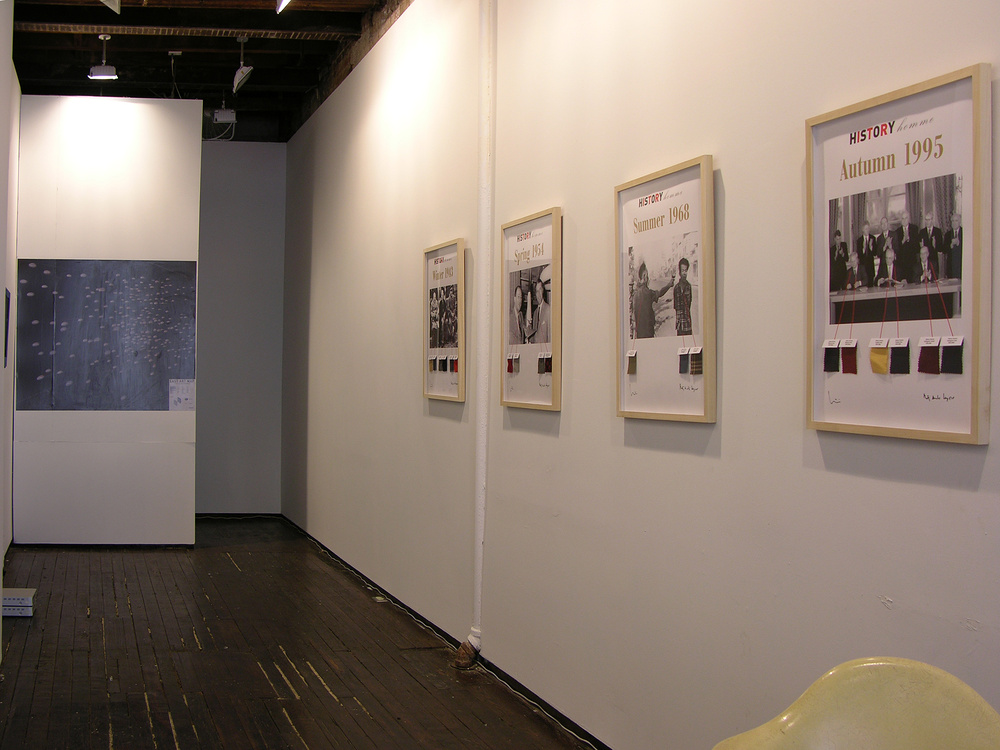
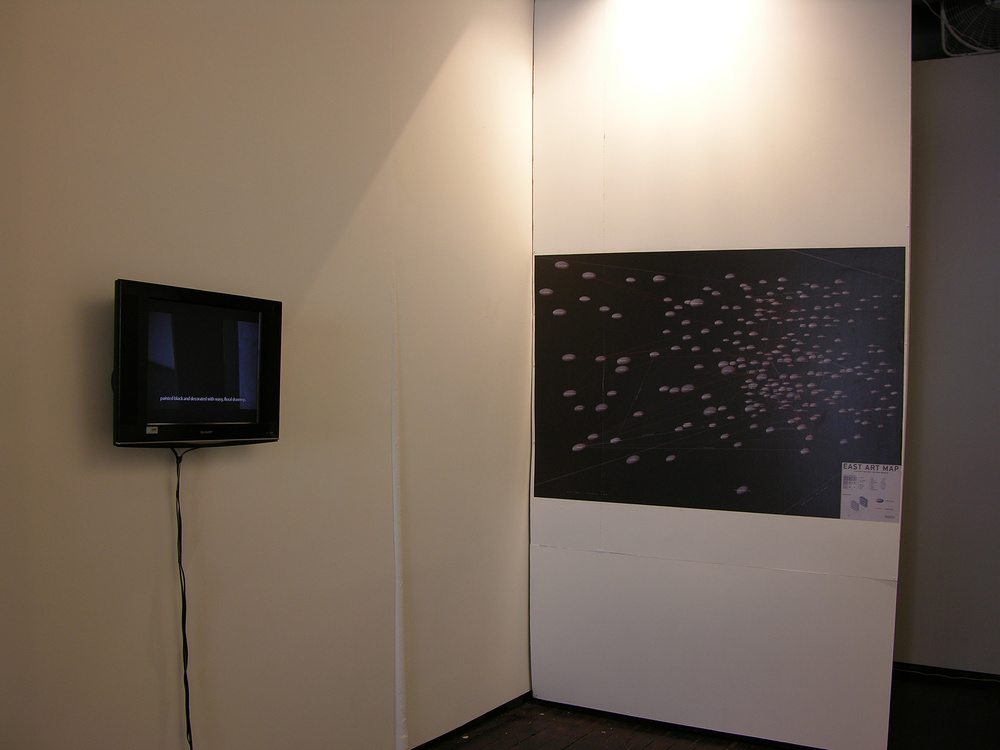
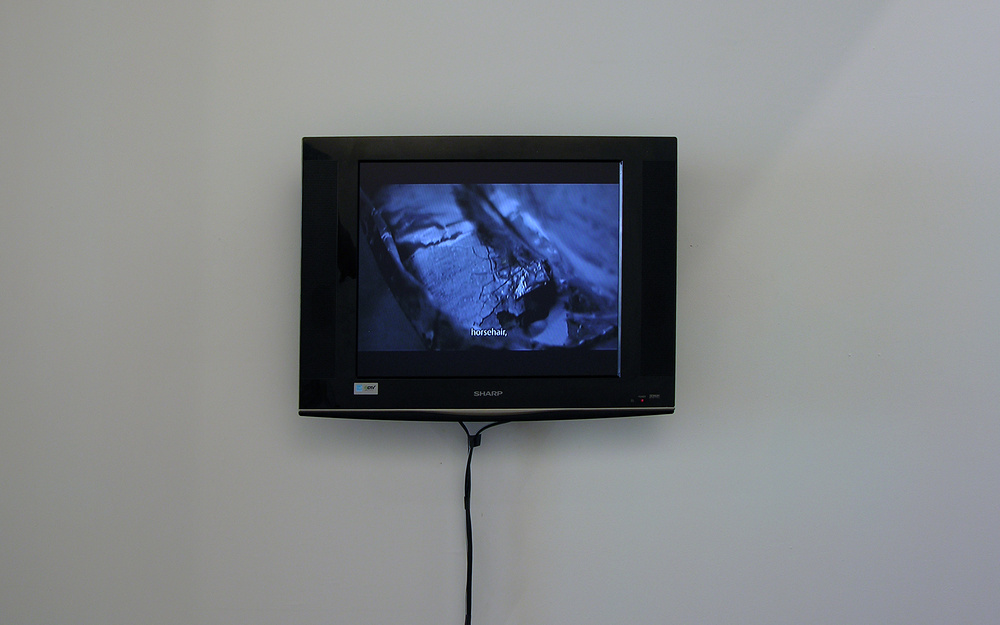
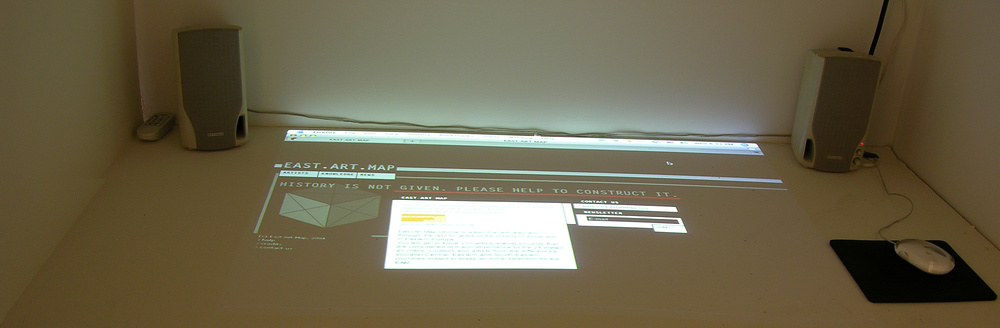
The exhibition Disobedience, in the eyes of anyone who has read history, is man’s original virtue does not attempt to present a historical narrative of the ‘former’ East, nor does it refute the official history of the West, but offers a reflection on the possibilities which can be used to approach the concept of historicalization – naturally, with the help of art. The artists presented at the exhibition examine the concept of historicalization in different ways, using the various mechanisms and tools characteristic of their artistic practice and work. In History Homme, Vuk Ćosić and Matej Andraž Vogrinčič focus on the relationship between ‘official history’ and seemingly subordinate fashionable reality. In a way, this is a fashionably analytical overview of selected key moments of the 20th century presented through the four seasons, thus trying to bring to the attention of consumers a cunning switching between the artificial spiral movement of historical narration and the natural integral cycle of a year of time. Young Polish artist Agnieszka Polska tackles history completely differently, addressing art as an archive, particularly that part of the archive which is forgotten and overlooked. In the video entitled Sensitization to colour, using monochrome materials based on existing photographic material which was available only in black and white, she reconstructs the entire space in which the Polish avant-garde artist Włodzimierz Borowski carried out the performance Sensitization to colour in 1968. One of the latest videos by the artist is thus a kind of commentary, a hypothetical reconstruction of the process of how we understand the past and, consequently, history. Reconstruction is also the starting point of the project East Art Map drawn up very systematically by the IRWIN collective. It is the first attempt to comprehensively reconstruct the missing history of the contemporary art of Eastern Europe after 1945. Perhaps it is the most exhaustive project of artistic documentation of the East by the East, bringing together a number of artist, experts, curators and critics. The IRWIN collective seeks to highlight the fact that ‘official’ Western history constantly records the flow of artists, the art market and institutions, creating a homogeneous story. No such thing can be said about the systemization of art currents in the East, where there is a multitude of partial, loosely connected, ‘informal’ art systems. Consequently, East Art Map is also a symbolic place through the context of which the common idea of Eastern Modernism is conceived. The exhibition is completed by the work of Braco Dimitrijević entitled Story About Two Artists. A symbolic story speaks of the possibility of an artist meeting a king: completely coincidentally, a king meets an artist, and because of this coincidence the artist is still known today – Leonardo da Vinci. The name of the other artist mentioned in the title has disappeared from human memory. Thereby the conceptual intervention of Dimitrijević very sophisticatedly and lucidly expresses the indifferent cruelty of the construction of history, evidently pointing to the ambivalence of the situation.
Every work of art questions the point of reconstructing the past in its own way, as the past is clearly based on the consensus of the interests of winners, and on fragments torn from time and space. It may seem that the exhibition flirts with the post-Modern rejection of one ‘official’ history, but this is not the case, because that seems to be tilting at windmills: someone is always part of the history of someone else. The exhibition Disobedience, in the eyes of anyone who has read history, is man’s original virtue seeks to stress the problem of exclusion and the deliberate elimination of activity in some geographical areas, while drawing attention to the problematic and anachronistic method of historicalization processes, which all too often rely on Procrustean bed methods. It would be most useful if, at the level of institutions, the mechanisms shifted from traditional historical narration to structure a new experience of time and space which would not hide rigidly behind a curtain of infallibility, but would develop into some sort of living organism. But, first of all, the winners should have their wings clipped and lose coincidences.
LMAK Gallery, New York
27/6/2010 - 1/8/2010
Vuk Ćosić & Matej Andraž Vogrinčič, Braco Dimitrijević, IRWIN, Agnieszka Polska
June 27, 2010