



Through the prism of reality, life sometimes seems to be a bundle of coincidences and chores. When clinging to rational explanations of these events, we can quickly fall into routine and a feeling of comfort and false security. It is no different in art. The same traps are present in the context of art and its canonisation. Art can quickly turn into a hollow illustration of a concept, an empty object of investment within the art market, or an artefact worshipped unconditionally in the context of galleries and museums. In life and, naturally, also in art, there is no trace of this in the work of Ulay. One can notice, perhaps, a great urge to create, which is best described by the artist himself: “One can learn many things in life, but not art. The madness you need – the must which is shaking you all the time. You are an artist even when you are asleep. Because of the must.” This necessary must is probably one of the reasons I was attracted to Ulay as an artist and, later, as a person. I first perceived Ulay’s photographic works as an important reference point in the history of photography, as an upgrading of knowledge and an attempt to research the area of auto-photography. But I soon came to discover much more in Ulay’s art, particularly in his performative and ontological approach to photography. At this point, I refer to Thomas McEvilley, who provided an excellent definition in his book ‘The First Act’ of Ulay’s photographic approach: “In terms of the various categories of photography, I would characterize Frank Uwe Laysiepen’s approach as ontological – meaning that he is always seeking to ground his photographic work in the real.“
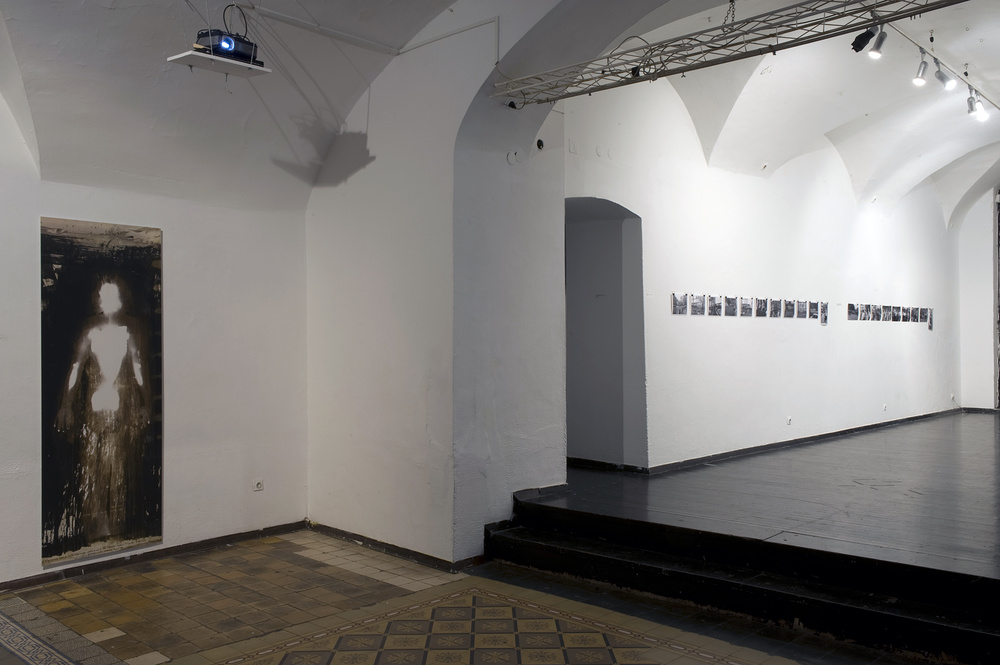
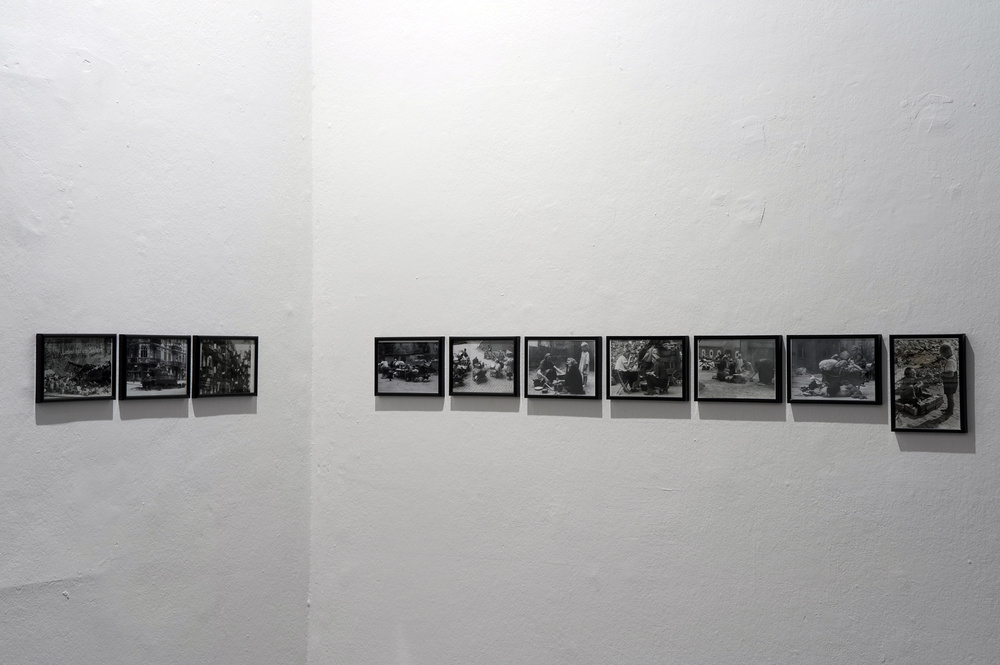
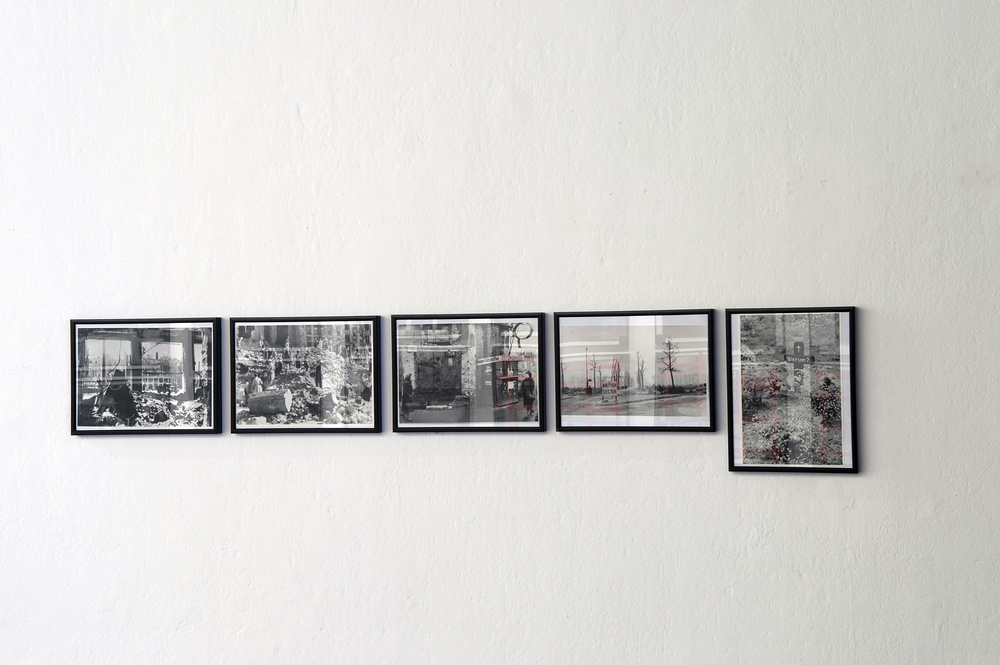
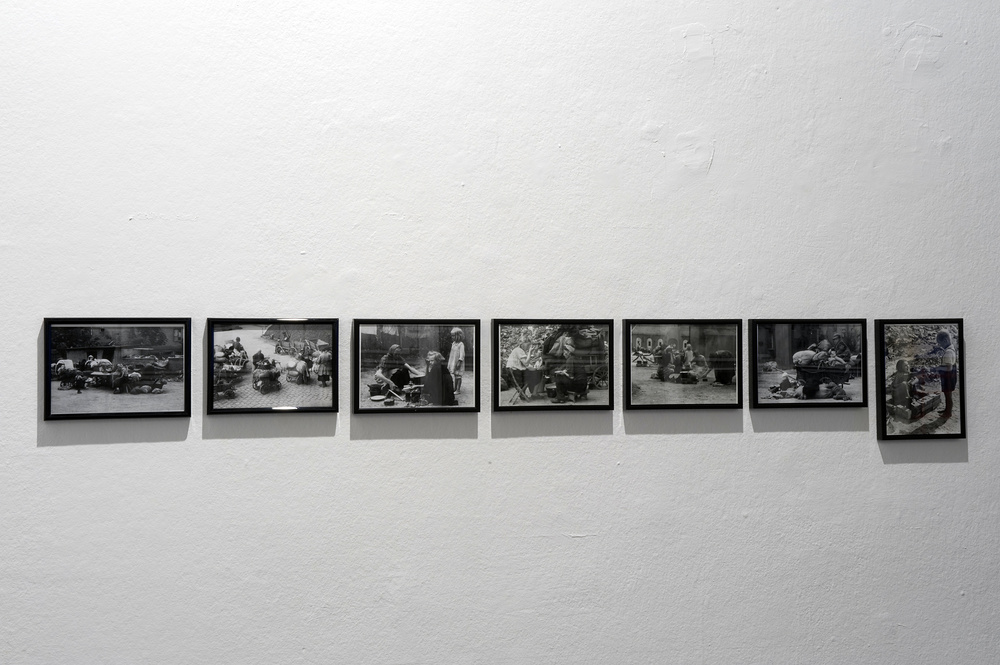
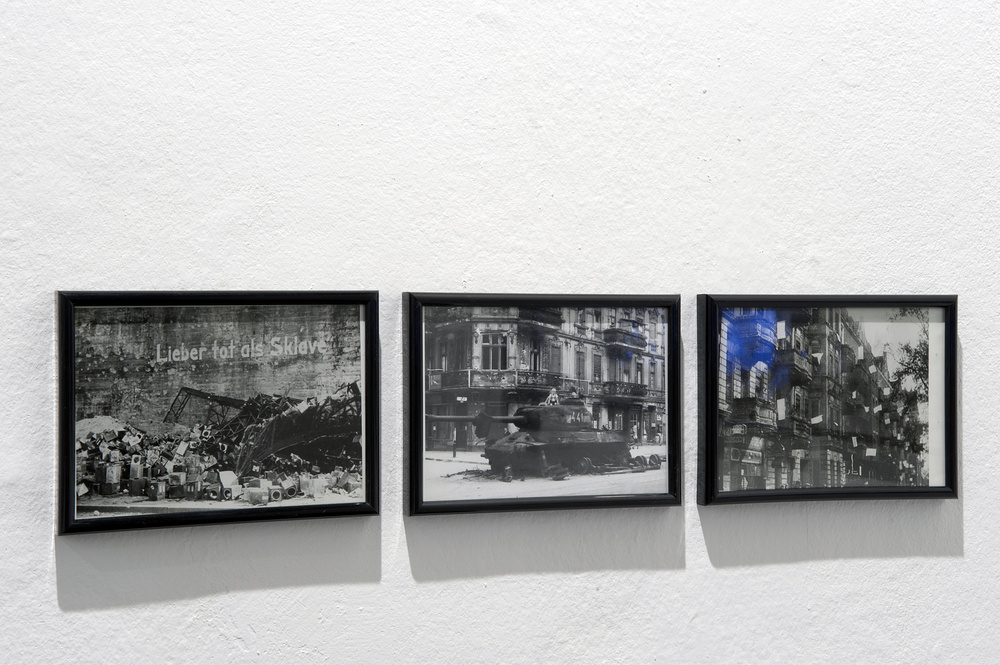
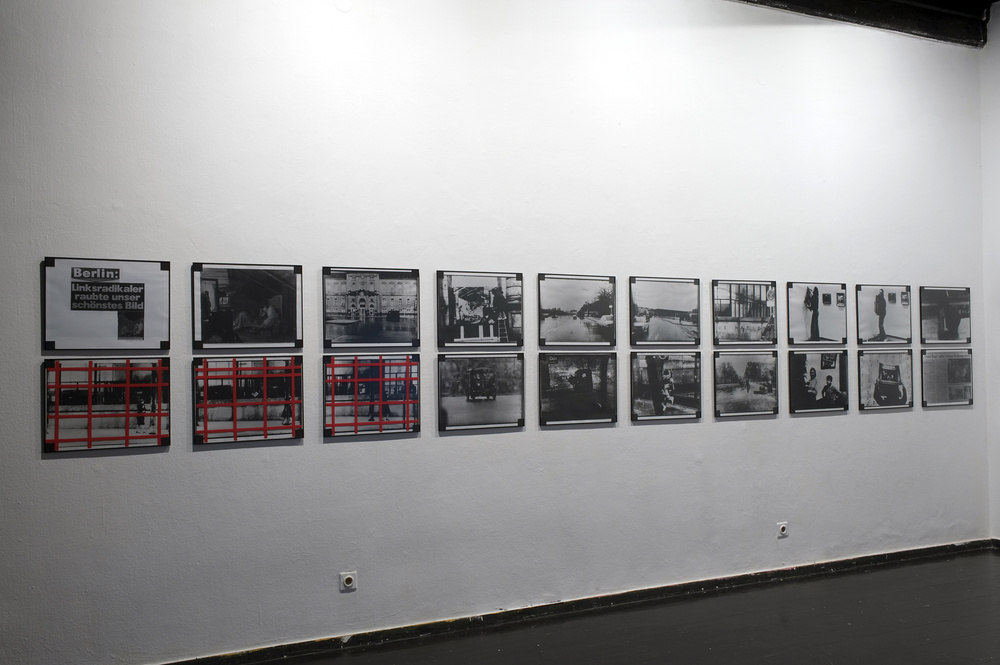
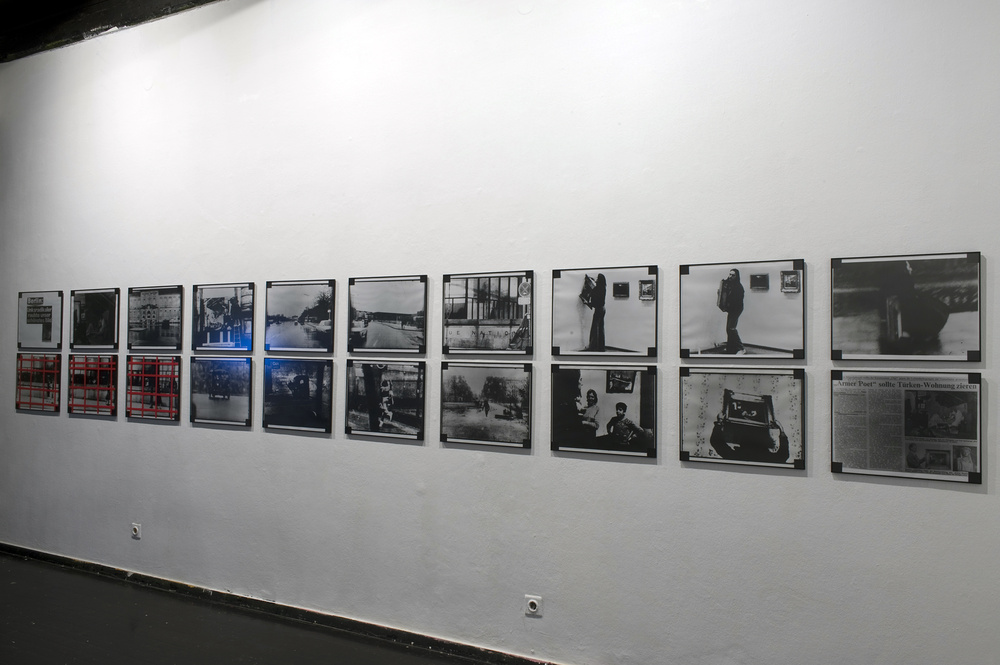
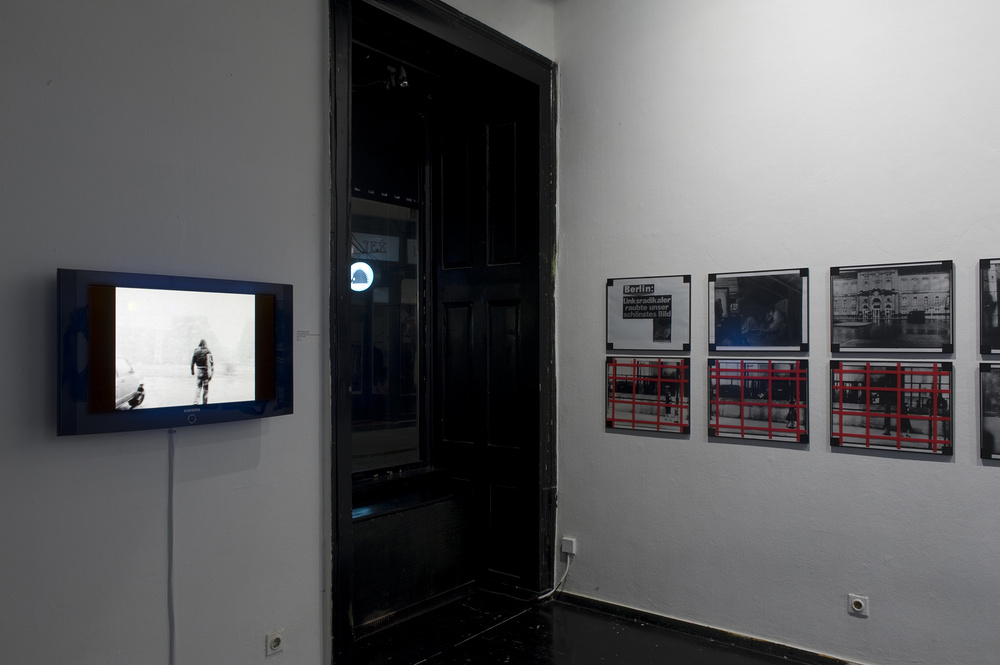
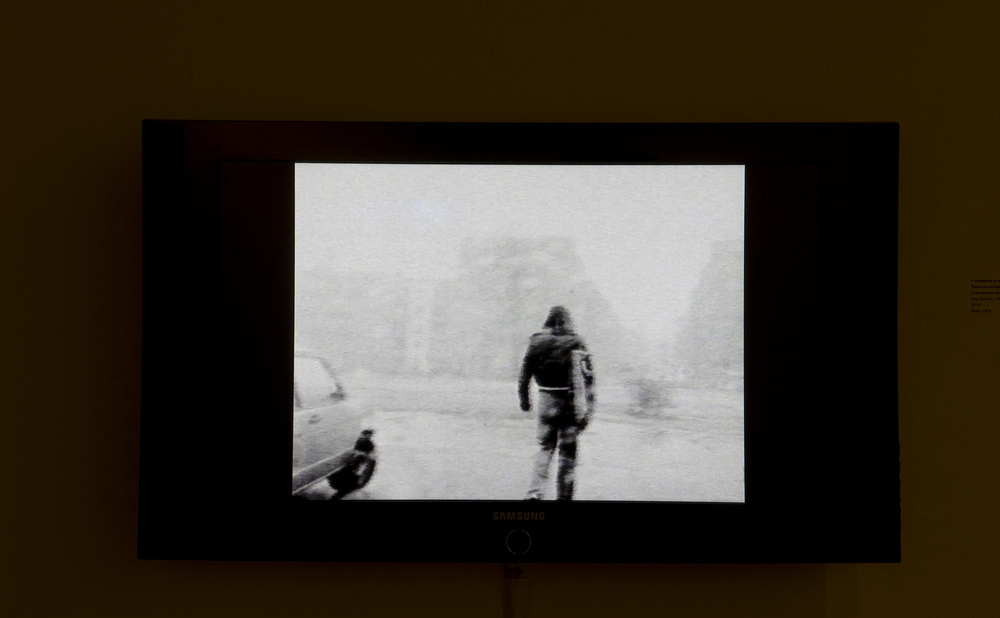
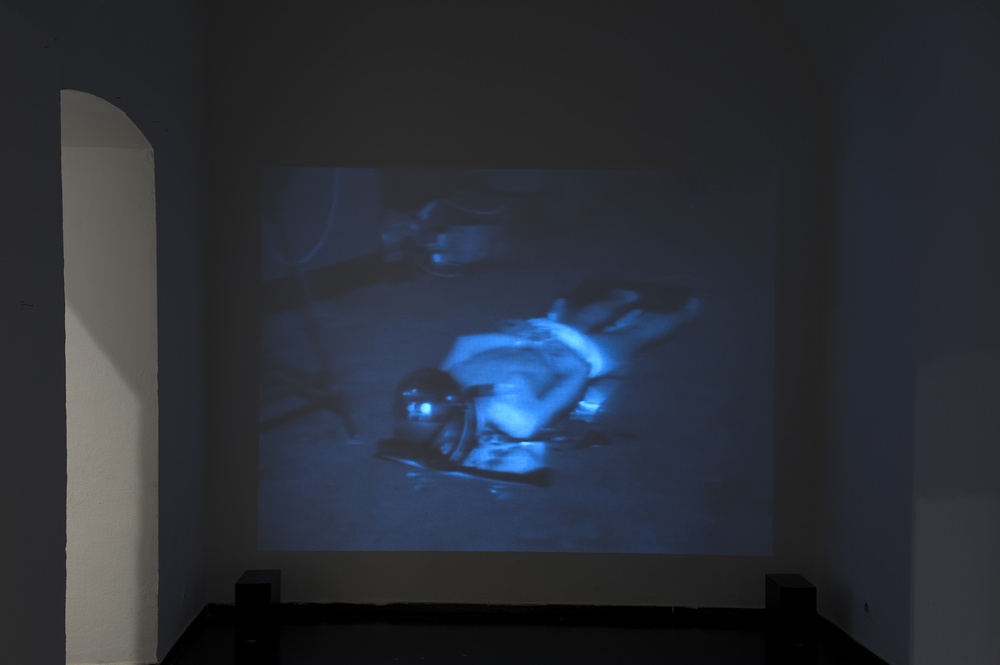
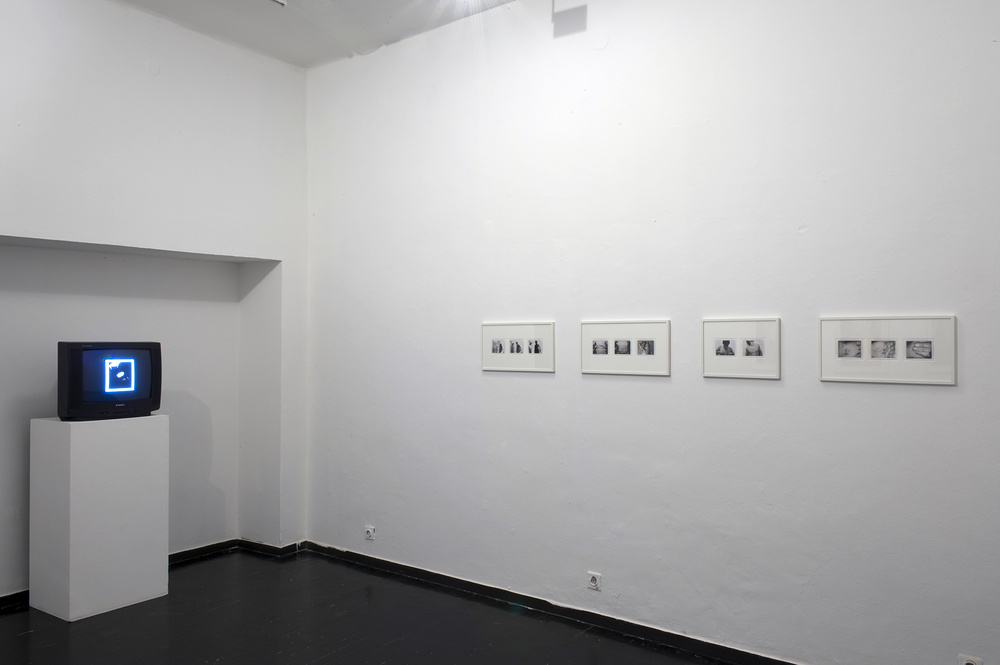
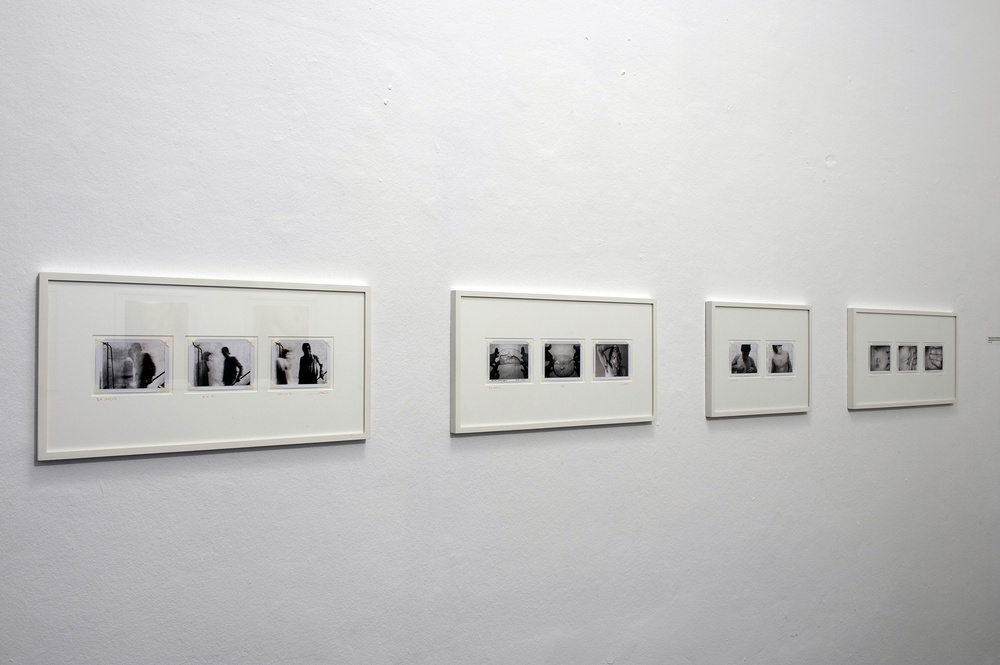
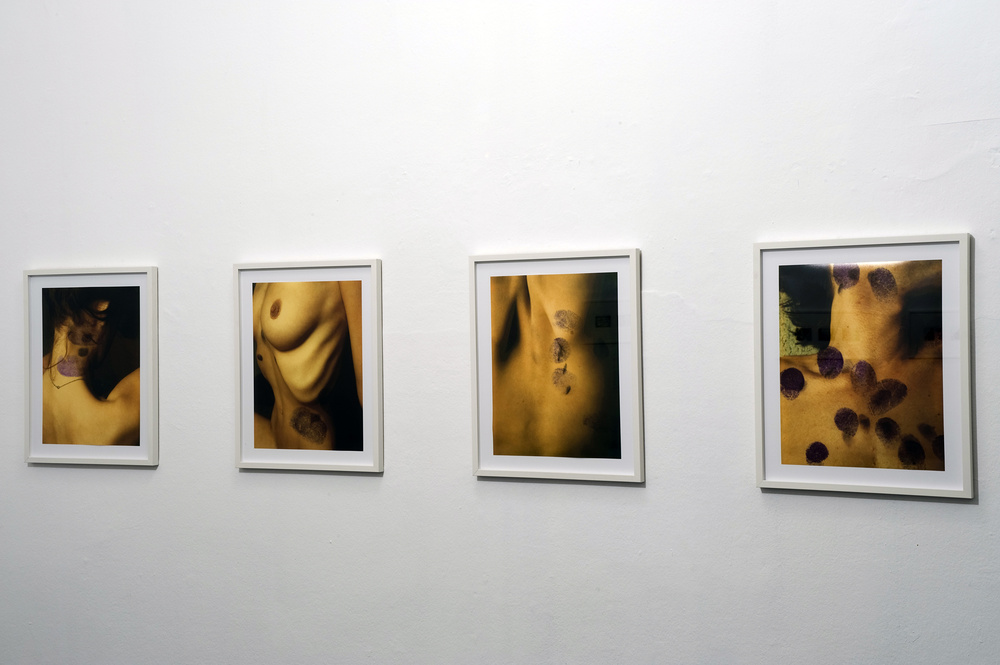
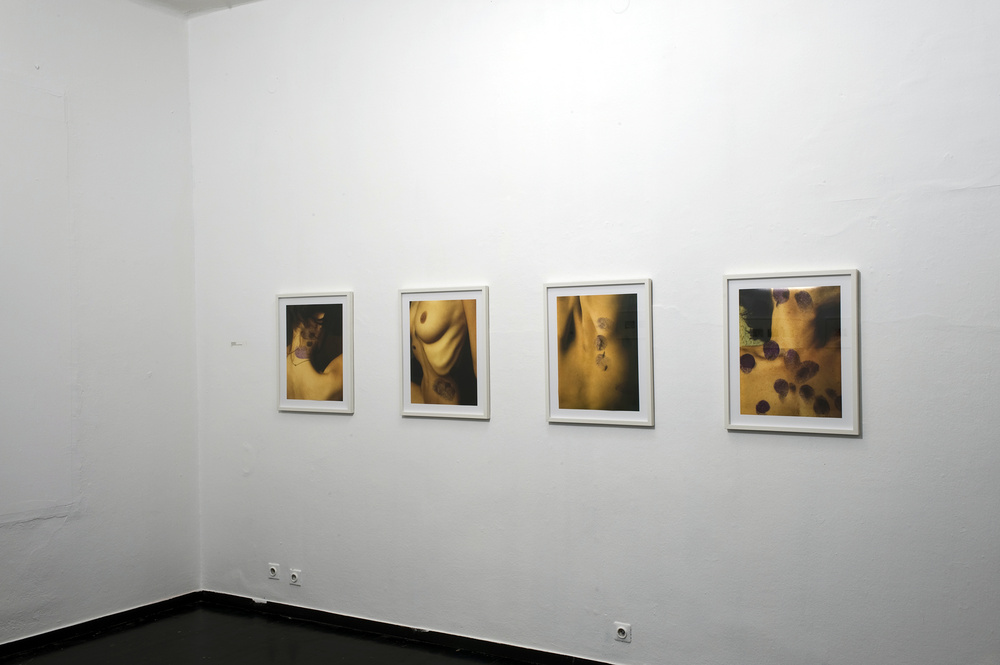
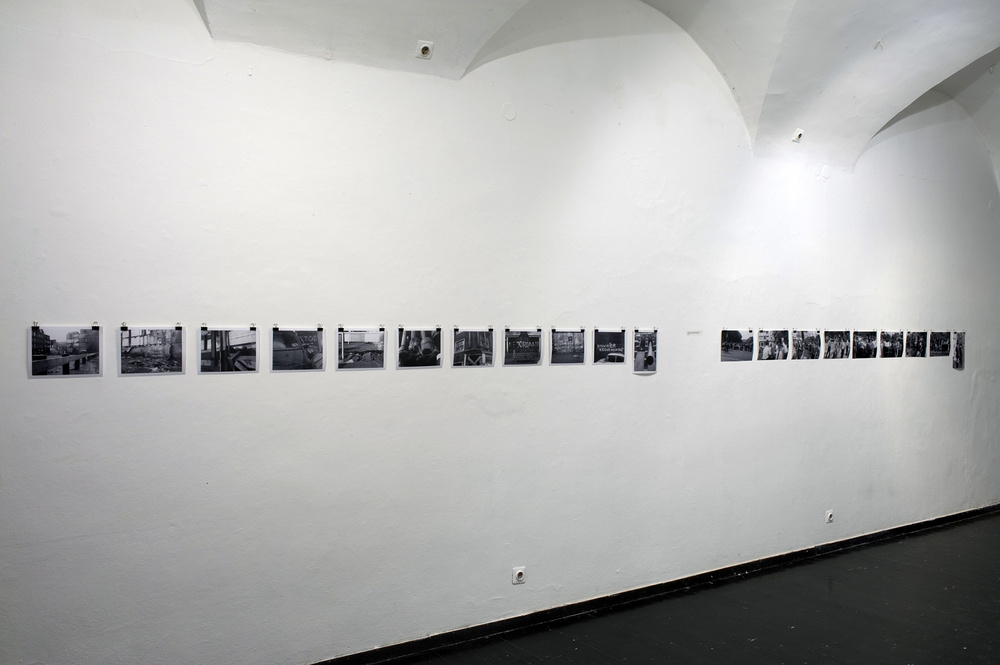
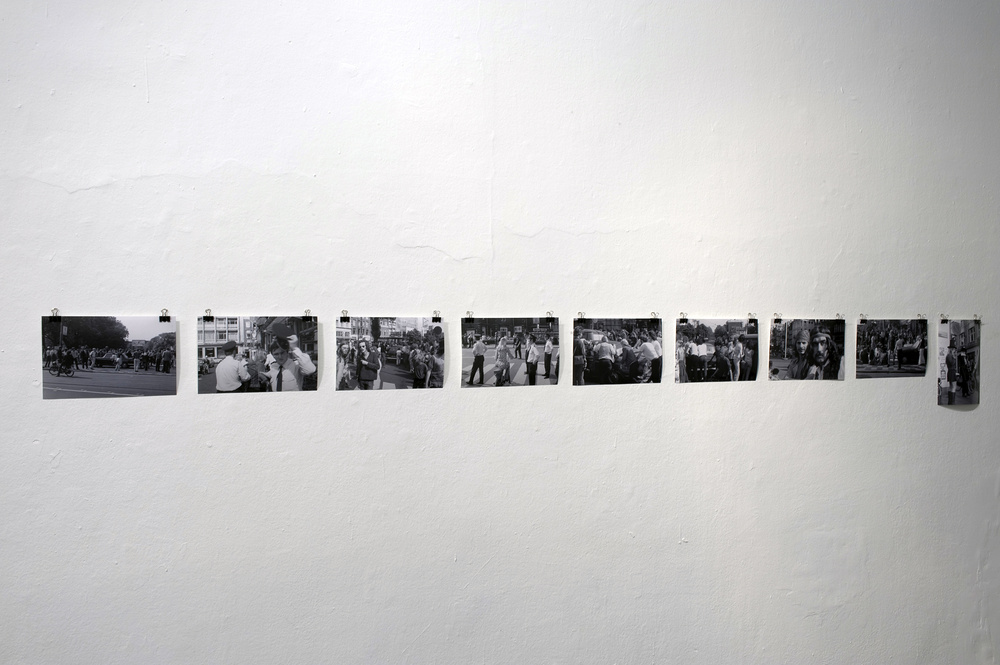
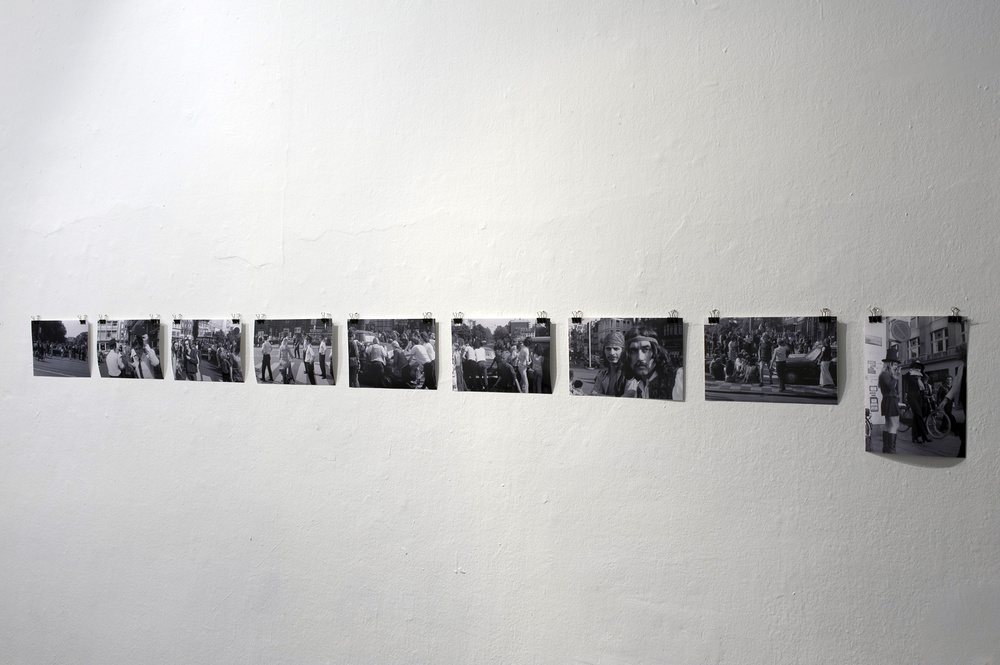
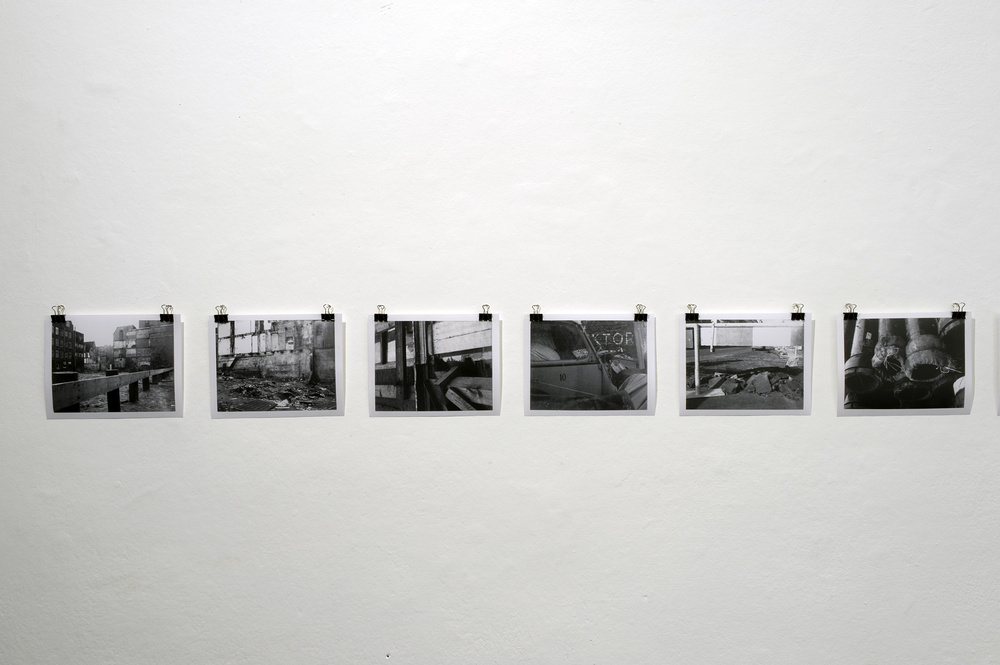
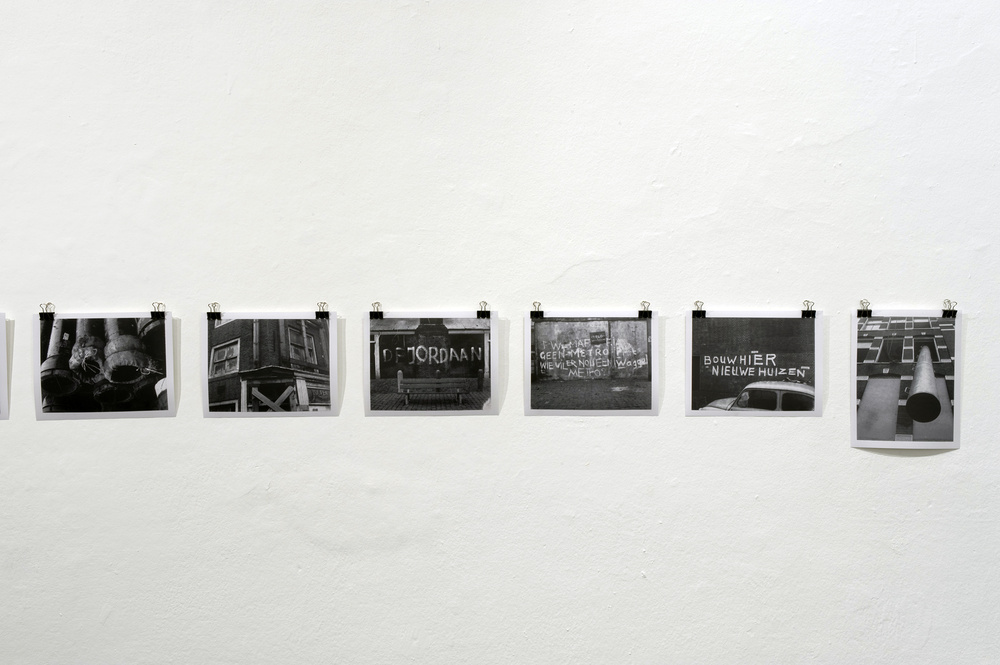
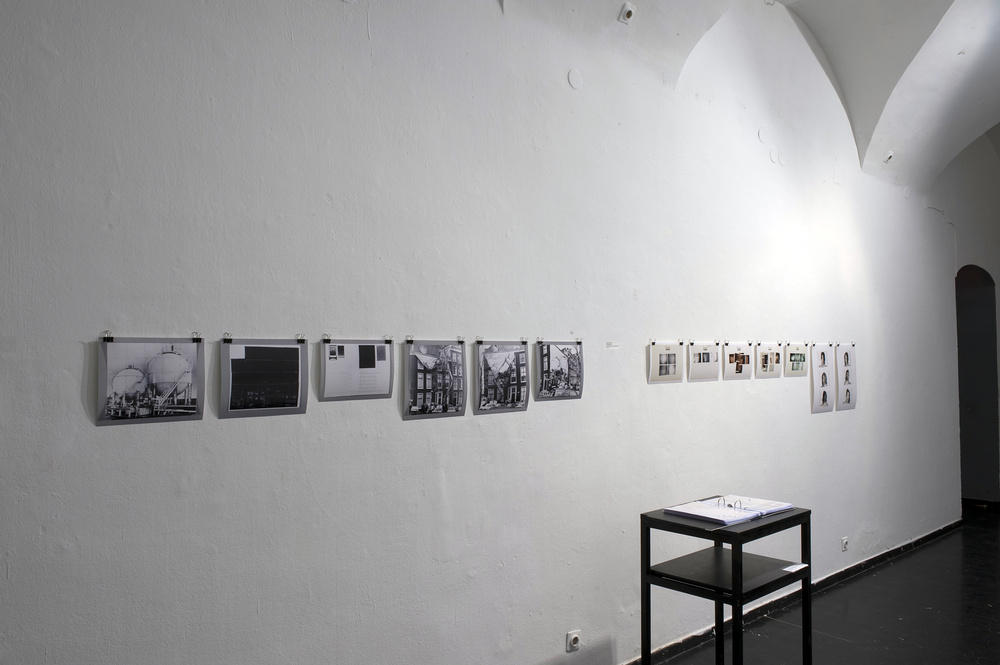
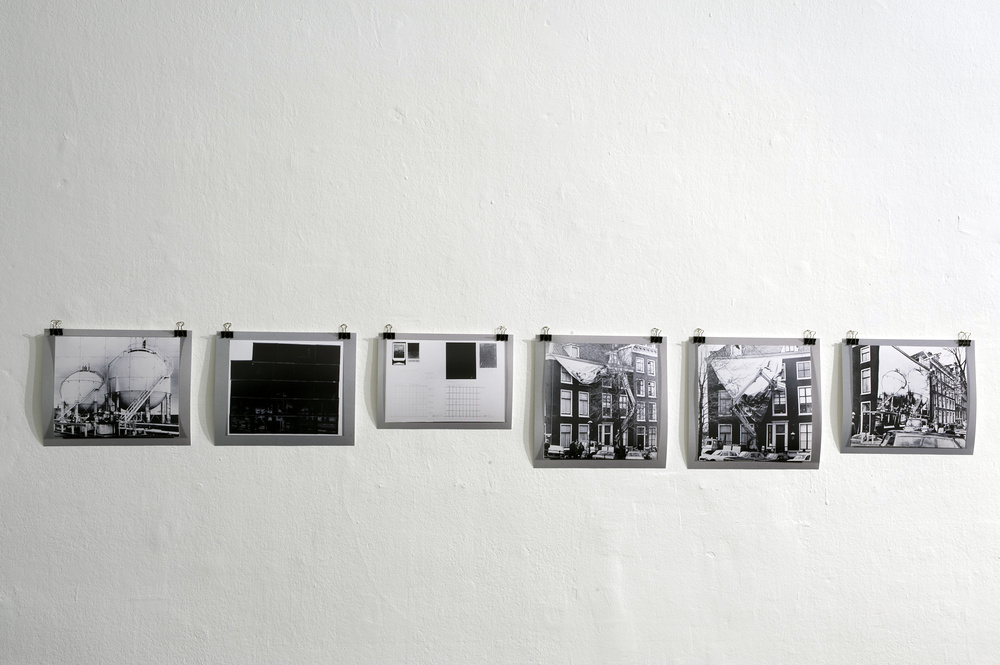
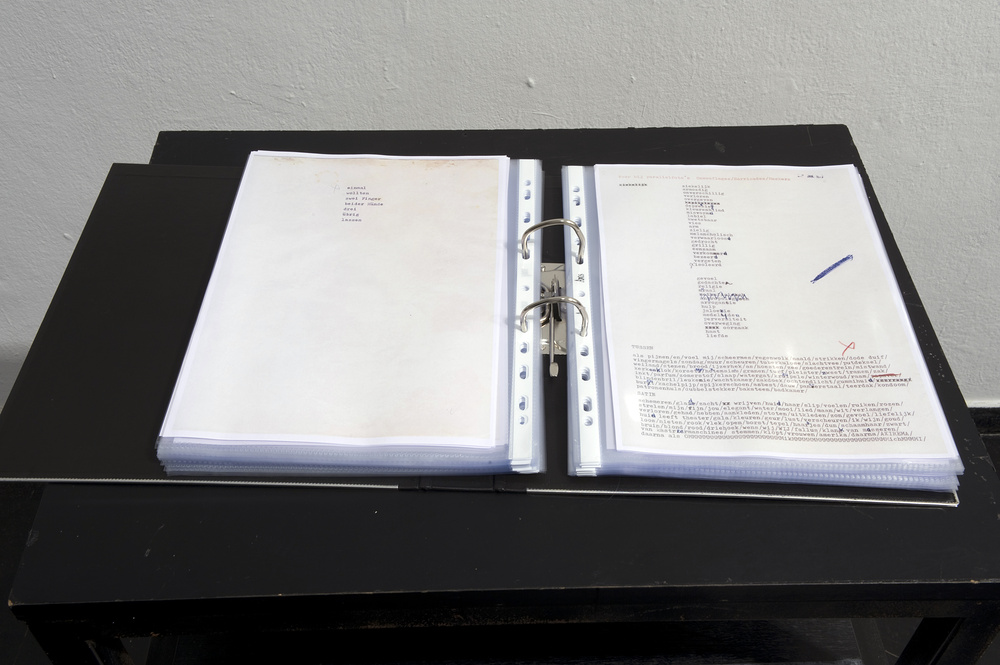
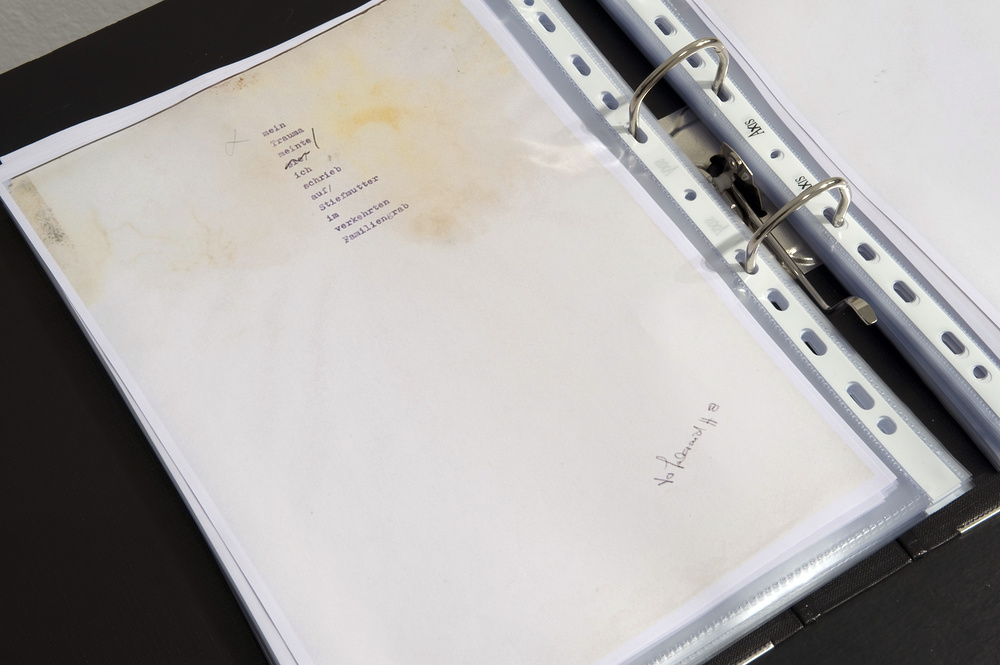
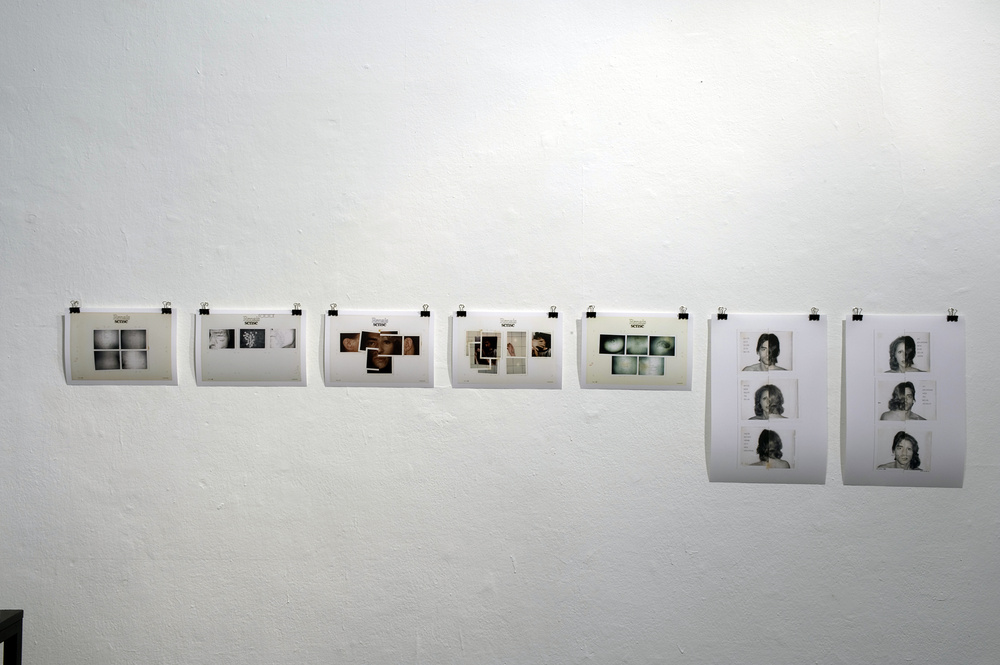
The ontological moment is essential to the curatorial concept of the exhibition Become, which focuses on the artist’s early work, created between 1968 and 1976. The exhibition seeks to present key characteristics of Ulay’s early work, both in terms of formal language and research of the medium, and its content, with a decided emphasis on the latter, as the exhibition attempts to present the development of Ulay’s photographic language and the genesis of his own ‘anti-aesthetics’, which was typical of anti-art artists of the 20th century. Anti-aesthetics is the common thread of the exhibition, as it connects Ulay’s formal language and content, which has evolved from a primarily ontological perspective. Ulay’s anti-aesthetic has always been based on personal experience and the visual recordings which have always accompanied him. Undoubtedly, World War II had a great effect on the development of his anti-aesthetics, as it immensely influenced Ulay and his family, and therefore its consequences seem to have become forever embedded in his art – from the anti-aesthetic visual moment in the photographs of Amsterdam streets and the demonstrations of the Dutch Provo movement from the end of the 1960s, to the unique anti-aesthetics of Polaroid snapshots.
Within each individual series of works there is always a common thread, which connects the content – Ulay’s constant quest for identity and his place in society. Photography, his medium of choice from the beginning, is no coincidence, as it somehow enables what Ulay has always sought: experimentation and questioning his identity in relation to the medium of photography. This enables him to constantly move the boundaries of photography and question what photography is, while providing an opportunity to examine his own sexual and social role, always in the context of the ‘other’, the subject on the other side of the camera, regardless of whether this was often himself – the ‘other’ as the identity of himself.
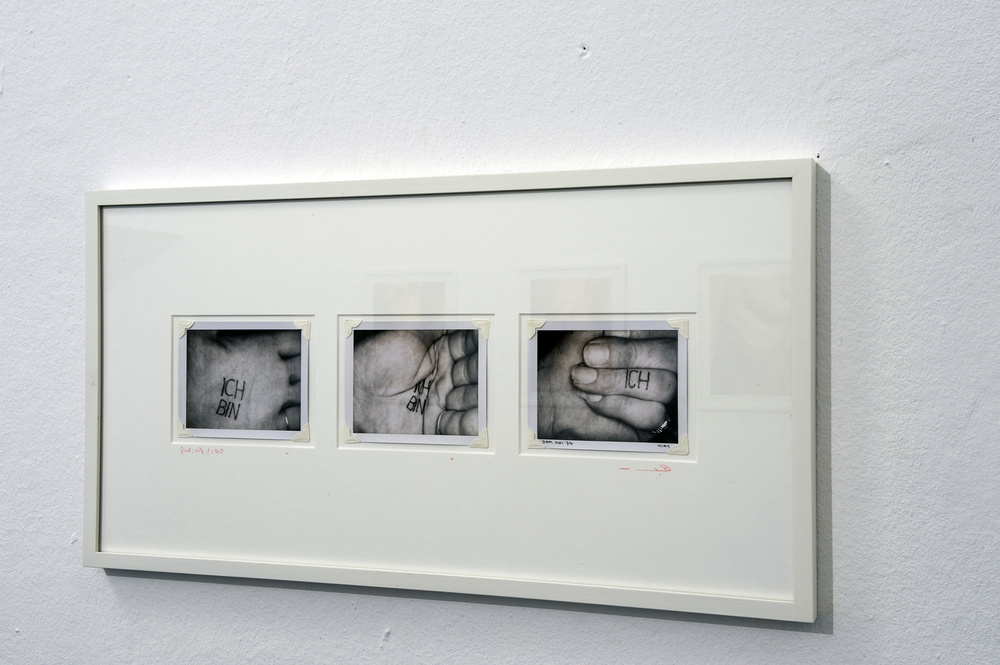
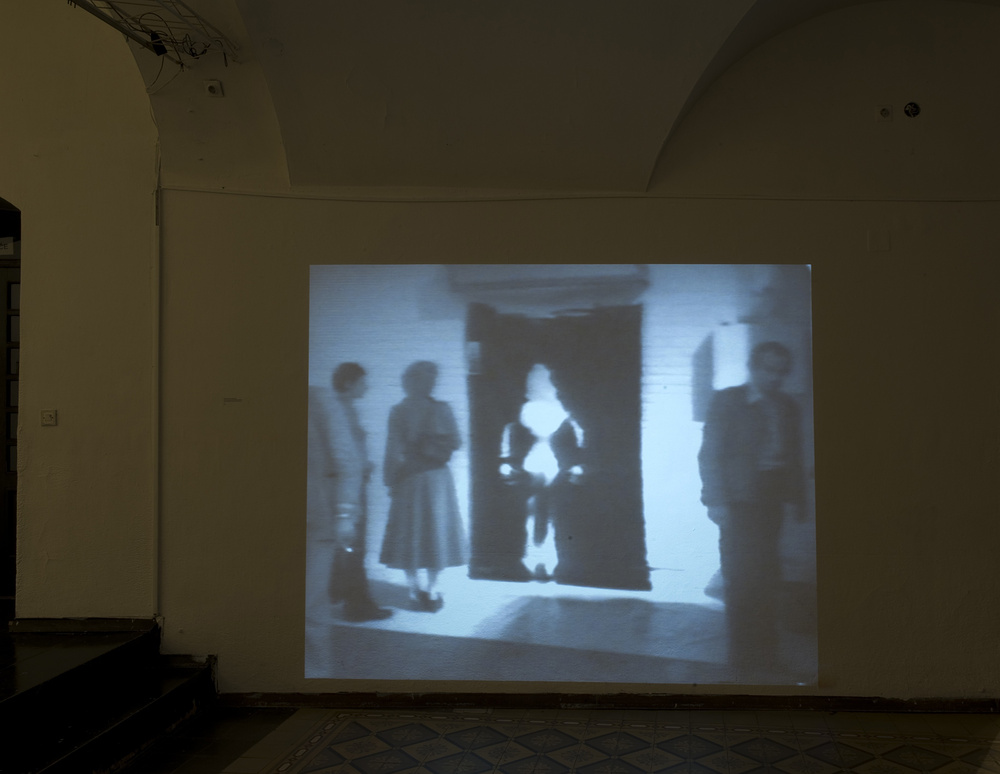
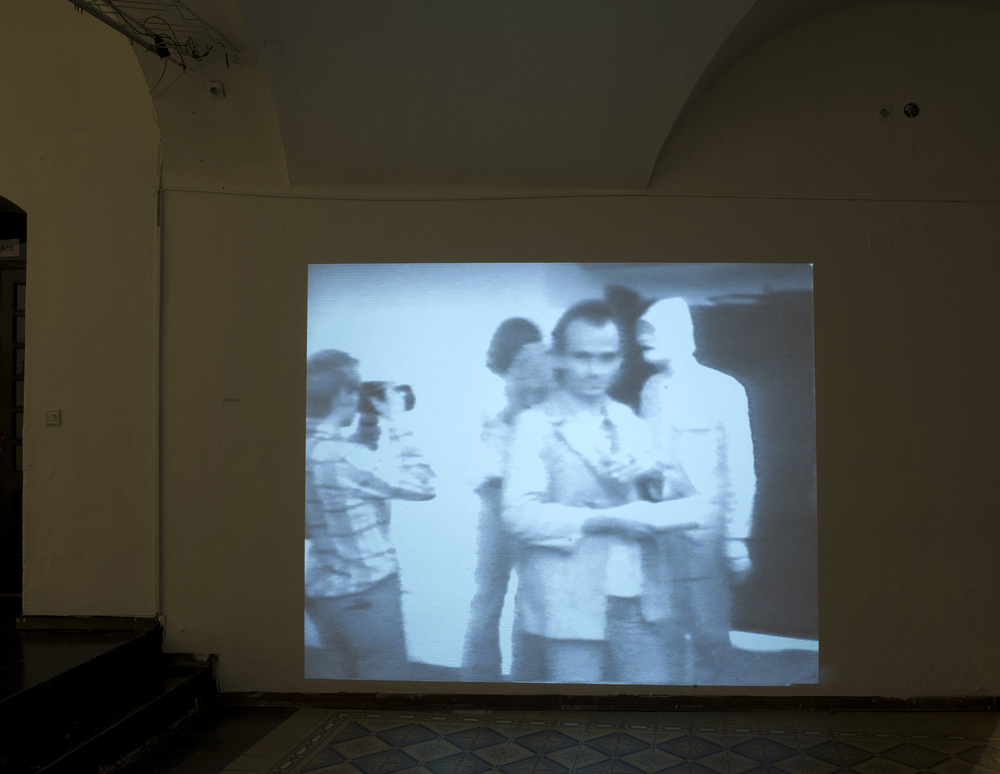
The use of Polaroids as a photographic technique allows him to question constantly, in the best possible way. Between 1970 and 1971, Ulay worked as a consultant with the Polaroid Corporation, which provided him with ample opportunity to research the technique. At the same time, he began to study photography in Cologne, learning a great deal about the technology, including how to make emulsion or photographic paper, thereby again expanding the boundaries of his perception of the medium. This period was marked to an even greater extent by his friendship with a fellow student, German artist Jürgen Klauke, with whom he also began to collaborate. Klauke also introduced Ulay to several intellectuals specialising in transvestism, which became the focus of his work in the period of Polaroids and auto-Polaroids. At that time, Ulay’s photographic approach became increasingly performative, both in form and content. Later, performative tendencies within the medium of photography were transformed into the medium of performance, his new method of choice, which enables him to express his life in art in the most sincere way, as life has always been the starting point for his work.
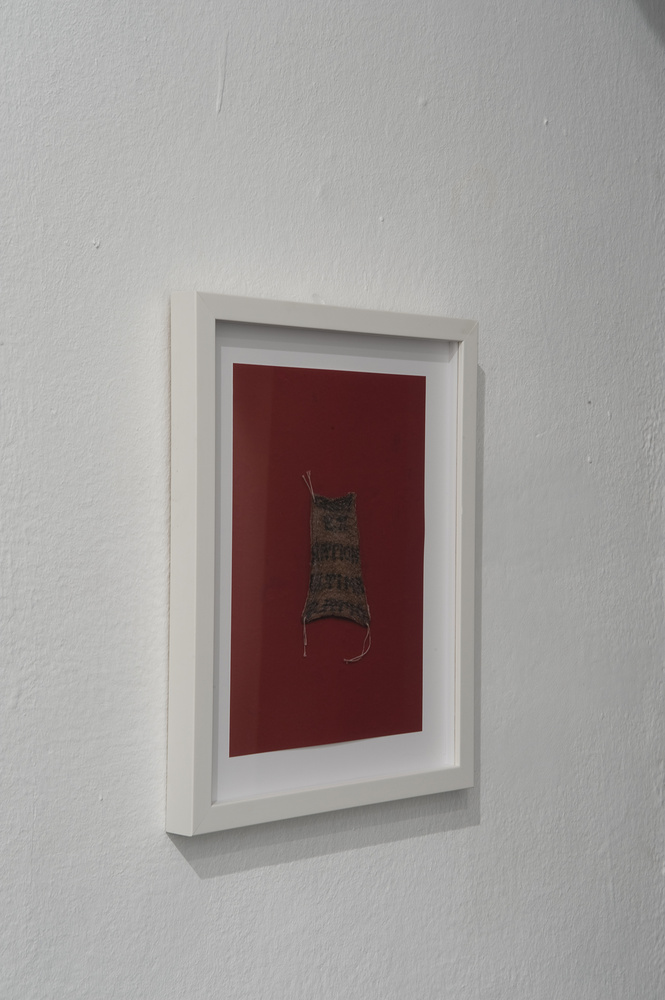
In some way, the exhibition Become is about the incessant and tireless quest for Ulay’s identity, which is almost never clearly and directly defined. It always seems that it can be found in the relationship to the subject on the other side of the camera or, as it were, in the relationship to the ‘other’: graffiti, ruins, photographic paper, a symbol, a protester, a member of a marginal social group, the public, a close friend, a lover, or himself. Whatever the story, it always comments on and examines Ulay’s position in society. It seems that Ulay’s media of choice are not photography, installation or performance, but himself – his Being and life are the medium. Although the exhibition Become focuses on a fairly short period of Ulay’s art, which could seem out of context, the reverse is the case, as this period reveals the arche of his artistic practice and the code for experiencing his art in all its stages.
Škuc Gallery, Ljubljana
29/10/2009 - 21/11/2009
Ulay
October 29, 2009